NO COST CONSULTATION
619-569-1919 A CALIFORNIA PERSONAL INJURY LAW FIRM
Category: Uncategorized
Did you know that over six million car accidents occur annually in the United States? Out of these, approximately three million people are injured, with two-thirds suffering permanent injuries. As a victim, navigating through the aftermath can be overwhelming. That’s where accident attorneys come into play.
Car accident lawyers specialize in understanding the intricacies of motor vehicle accidents and personal injury law. They meticulously review police reports and other relevant data to build a strong car accident case for their clients. These legal professionals ensure that car accident victims receive the compensation they deserve for their losses.
Whether an auto accident or a severe car crash, having a competent lawyer by your side can make all the difference in your lawsuit outcome, so the next time you are involved in a vehicle accident, remember that securing legal representation should be your top priority.
Necessity of Police Reports in Accident Cases
The Role of Police Reports
The car accident police report plays a crucial role in any accident case. It’s like the black box found in an airplane, recording all vital details about the incident. This document provides a comprehensive account of the circumstances surrounding the accident.
What happened?
Who was involved?
Were there any witnesses?
What were the weather conditions?
These are just some of the questions a police report attempts to answer.
Motor vehicle accident attorneys often use these reports for insights when building their cases. They provide an objective account of events from a third-party perspective, which can be invaluable when determining liability.
Importance of Legal Proceedings
In legal proceedings, an accident report serves as a critical piece of evidence. It provides a factual basis for building insurance claims and lawsuits.
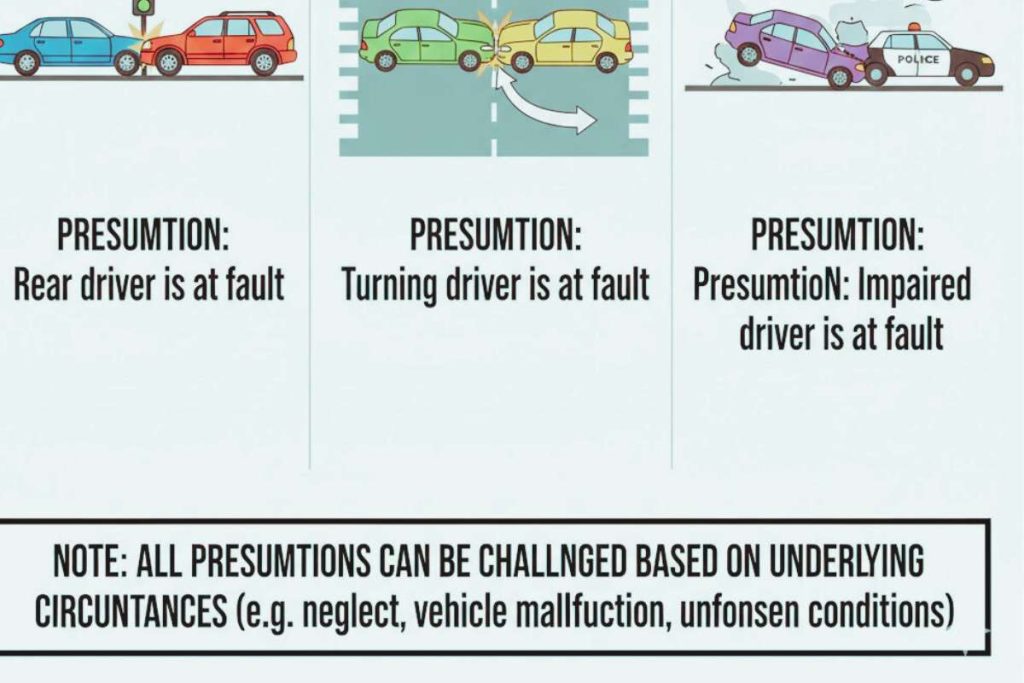
Establishing Fault: The police officer’s observations and findings can help establish who was at fault in the accident.
Insurance Claims: Insurance companies rely heavily on these reports when deciding compensation amounts.
Legal Evidence: In court cases, they serve as official documentation that can support or refute the parties’ claims.
The need for such reports is undeniable; they form an integral part of our legal system’s functioning.
Reviewing Police Reports: An Attorney’s Perspective
For motor vehicle accident attorneys, reviewing police reports is part and parcel of their job description. These professionals scrutinize every detail captured within these documents, looking for inconsistencies or inaccuracies that could affect their client’s case.
They check:
Accuracy of facts recorded.
Consistency with witness statements.
Any signs indicating bias or prejudice.
Missing information that could be crucial to the case.
To put it simply, they leave no stone unturned.
Gathering Information at the Accident Scene
An accident scene is like a jigsaw puzzle; every piece of information, whether small or insignificant, helps paint the full picture. The role of a motor vehicle accident attorney can be likened to that of a detective, meticulously collecting and reviewing each piece of evidence.
The Incident Details
The first step involves understanding the details of the event. This includes noting the location, traffic conditions at the time of the crash, and any other factors that could have contributed to it. These facts are essential for establishing context and setting up an accurate timeline.
Location: An exact address or intersection is needed here.
Traffic Conditions: Was it rush hour? Were there roadworks?
Other Factors: Weather conditions, visibility issues, etc.
Witness Accounts
Next comes gathering witness accounts. They provide different perspectives on what happened before, during, and after the incident.
Eyewitnesses: For further discussion, it is important to collect their contact information.
Victims: If they’re able to talk about what happened.
Parties Involved: Their version of events is crucial, too.
Remember, hearsay is deemed unreliable due to its biases or lapses in memory.
Physical Evidence
Physical evidence from an accident scene provides tangible proof that supports or contradicts verbal accounts. Here are some pieces you’d want:
Damaged vehicles
Skid marks
Broken glass
Personal belongings scattered around
These pieces help in reconstructing the event accurately and objectively.
Interpreting Police Reports: Role of Attorney
The Vital Role
An attorney plays a crucial role in interpreting police reports, especially. Here’s why:
Deciphering Legal Terminology: Law enforcement officers use specific jargon and codes in their reports. An attorney can explain these terms and clearly understand the report.
Identifying Errors: Sometimes, a police officer might make errors or omissions in the report. An experienced attorney can spot these mistakes, which could significantly impact your case.
Evaluating Officer Opinions: Often, an officer will include his opinion on the cause of the accident. Your attorney can assess this opinion and challenge it if necessary.
Understanding Law Enforcement Documentation
Police officers must meticulously document incidents. They record details like:
Time and location of the accident
Parties involved
Witness statements
Weather conditions
Road conditions
Any citations issued
This information is vital for any motor vehicle accident case as it provides an unbiased account of events from a law enforcement perspective.
Assessing Fault Assessment
An attorney will look into a critical aspect of how the law enforcement officer has assessed fault in the accident report. There are several ways to assess impaired driving, including traffic rule violations, distracted driving, and drinking and driving. If you disagree with this assessment, your attorney can help you challenge it by gathering additional evidence like surveillance footage or expert witness testimony.
Evaluating Injury Details
Law enforcement officers often record injuries sustained during an accident at the scene based on initial observations and statements from those involved. An average law enforcement officer may be unable to determine some injuries on the scene until a later medical examination reveals them. Your attorney will evaluate these injury details against medical records to ensure all injuries are accounted for when seeking compensation for damages.
Correcting Inaccuracies in Police Accident Report
An integral part of any motor vehicle accident is the police report. This document, prepared by the responding officer, provides a detailed account of the incident. An accident attorney must review this report thoroughly since it is often a key piece of evidence in wrongful death or personal injury cases.
The Role of an Accident Attorney
A motor vehicle accident attorney plays a significant role in reviewing and correcting any errors or omissions in the police report. The attorney will scrutinize every detail in the report, from the description of events to witness statements and even diagrams, if available.
Error Identification: A common mistake can be incorrect or incomplete information about the parties involved. For instance, inaccurate details about someone’s insurance coverage could affect claim settlements.
Omission Detection: Sometimes, essential information might be missing from the report. An omission could range from minor details like weather conditions during the accident to major ones such as failure to record a statement from a critical witness.
Working with Insurance Adjusters
Insurance adjusters also review these reports closely as they are vital in determining how much compensation an injured party should receive if there are inaccuracies in the report that unfavorably impact their client. An experienced attorney will know how to effectively challenge these points and advocate for their client’s rights.
The attorney might contact witnesses mentioned (or not mentioned) in the report for additional information.
Next, they may gather further evidence, such as traffic camera footage or medical records that contradict errors in the police report.
Finally, armed with this information, they would negotiate with adjusters relying heavily on these reports when assessing claims.
Why Accuracy Matters
Accurate police reports can significantly influence both insurance claims and potential lawsuits following a motor vehicle accident:
Claim Settlements: Inaccurate reports can lead to lower settlement offers from insurance companies.
Court Cases: Errors or omissions could negatively impact court proceedings if it comes down to litigation.
A competent motor vehicle accident attorney understands this well and works diligently to ensure that their client’s rights are protected throughout this process–starting with ensuring accuracy in police accident reports.
Utilizing Police Reports in Personal Injury Trials
The Role of Records
Records play an integral part in a personal injury trial. They serve as the backbone of the case, providing concrete evidence to support claims made by both parties. One such crucial record is the police report filed after a motor vehicle accident.
Police reports are public records that document the details of an accident. They contain information about the people involved, any witness statements, and descriptions of injuries sustained. Law enforcement officers who respond to accidents typically prepare these reports.
The role of a motor vehicle accident attorney becomes critical at this juncture. They review these reports meticulously, identifying key elements that could strengthen their client’s case.
Witness Statements and Injuries
In a personal injury trial, witness statements recorded in police reports can be pivotal. These accounts provide third-party perspectives on how the incident unfolded, potentially validating your version of events. Moreover, police reports often include descriptions of injuries observed at the scene. This information can corroborate medical records presented during trial proceedings and help establish a link between the accident and your injuries.
Navigating Laws and Courts
Understanding laws related to personal injury cases is another aspect where attorneys prove indispensable. They interpret complex legal jargon in police reports and explain its implications for your case. Attorneys also understand how courts operate. They guide you through every stage of the trial process.
Public Opinions Matter
Public opinion may not seem to have much bearing on court proceedings; however, it can significantly influence jury perceptions. Police reports likely include witnesses’ opinions or observations if multiple witnesses were present. Attorneys scrutinize these opinions closely as they prepare for trial, anticipating potential challenges or opportunities they might present during court arguments.
Filing a Claim for Property Damage
The Role of Insurance in Property Damage
The damage to your vehicle will likely involve an insurance claim. The insurance company then assigns a property damage adjuster to your case. This person evaluates the damage and determines how much the insurance company should pay for repairs. It sounds straightforward, but it often isn’t.
Insurance adjusters work for the insurance companies, not you. Their job is to minimize payouts from the insurance company’s perspective, which can mean downplaying the extent of your vehicle’s damage or undervaluing repair costs.
Understanding Insurance Claims and Adjusters
File an initial claim: Contact your car insurance provider as soon as possible after the accident.
Meet with an adjuster: The property damage adjuster will inspect your car and provide a repair estimate.
Review their assessment: Carefully review their report and compare it with independent repair estimates.
Negotiate if necessary: If you disagree with their assessment, don’t be afraid to push back or even hire a lawyer.
Sometimes, lawsuits are inevitable, especially when dealing with significant property damage or medical bills that exceed what is covered by your insurance policy.
When Lawsuits Come into Play
If negotiations fail or injuries are involved, you might need to file a lawsuit against the other driver or their insurance company. In such cases, having a motor vehicle accident attorney on board can be invaluable in reviewing police reports, accident records, and other evidence related to the crash. An attorney can help ensure that all damages, physical injury and property, are adequately accounted for in any settlements or lawsuits that follow an accident.
Role of Motor Vehicle Accident Attorneys
Navigating the aftermath of a motor vehicle accident can be tough. That’s where an experienced accident attorney steps in, turning chaos into order. They’ll dig into police reports, spot inaccuracies, and use this crucial document to bolster your case.
Whether arguing your side in a personal injury trial or helping you file a claim for property damage, they’ve got your back. So, don’t go it alone. Contact a seasoned motor vehicle accident attorney who can guide you through this process with expertise and ease. Their knowledge and skills are invaluable in getting you the compensation you deserve. Let them handle the legalities so that you can focus on healing.
If you or a loved one has been in a motor vehicle accident, don’t hesitate to get in touch with us at Conger Law Firm. Our experienced attorneys are well-versed in navigating the complex landscape of personal injury law and property damage claims.
We understand the crucial role of police reports and accident records in building a robust case. We’ll meticulously review these documents, spot inaccuracies, and use them strategically to bolster your case.Our team is committed to ensuring you receive the compensation you deserve for your losses. Don’t navigate this complicated process alone. Let us handle the legalities so you can focus on healing. Contact us todayfor a free consultation.
In the wake of a truck accident, victims often grapple with serious injuries. Such incidents can be incredibly distressing and confusing, leaving individuals unsure about their next steps. This article aims to provide clear guidance on what to do if one suffers a severe injury in a truck mishap.
Trucks are massive vehicles that can cause significant damage and injury upon collision. The aftermath is usually marked by physical pain, emotional turmoil, and financial strain due to medical bills and lost wages. Victims must know how to respond appropriately in such situations.
Understanding the right course of action post-accident not only aids in immediate relief but also ensures long-term recovery. Hence, this article provides practical advice for those unfortunate enough to find themselves in this predicament.
Immediate Actions After a Truck Accident
Securing Medical Attention
The immediate aftermath of a truck accident can be chaotic and distressing. However, the first action you should take is to seek medical attention. This is crucial not only for your health but also because it establishes an official record of your injuries.
Medical Examination: Some injuries may not manifest symptoms immediately, even if you feel fine. A thorough medical examination will detect any hidden damages.
Follow-up Appointments: Regular follow-up appointments are necessary to monitor your recovery progress and adjust treatment plans as needed.
Documentation: Keep detailed records of all medical treatments, including prescriptions, therapy sessions, and hospital stays.
Handling the Emergency Situation
While dealing with personal injuries is paramount, managing the emergency is equally essential. Here are some actions to take:
Ensure Safety: Move away from the accident scene if it’s safe to do so to prevent further accidents.
Report the Incident: Dial 911 to report the accident. Provide accurate information about what happened and cooperate fully with law enforcement.
Gather Evidence: Collect evidence, such as photographs of vehicle damage and skid marks on the road.
Navigating Through The Aftermath
Once immediate concerns are addressed, there are several actions you need to take in the aftermath of a truck accident.
Dealing with Insurance Companies
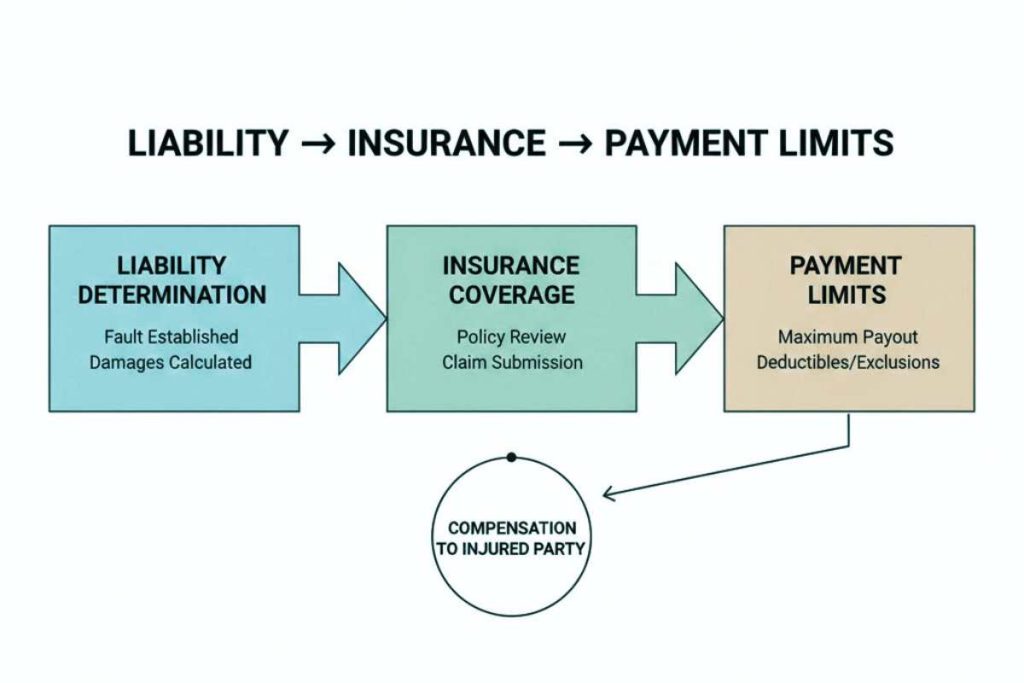
Insurance companies play a significant role in compensating for damages following a truck accident.
Be cautious: Insurance companies often aim to minimize payouts. It’s advisable not to accept initial offers without consulting an attorney.
Legal Action
Legal action may be necessary if you’ve suffered a severe injury due to another party’s negligence.
Legal Representation: Engaging an experienced attorney can significantly increase your chances of receiving fair compensation for your suffering and loss.
Filing Claims: Your attorney will guide you through the complex process of filing claims, ensuring all necessary documentation is accurately recorded.
Legal Proceedings: If your case goes to court, your attorney will represent you, arguing and presenting evidence to support your claim.
Importance of Evidence Collection Post-Accident
The Role of Evidence
The aftermath of a truck accident can be chaotic and confusing. Amid the shock and confusion, collecting evidence is an overlooked crucial step.
Gathering evidence post-accident is pivotal in building a solid case if you’ve suffered a severe injury. It helps establish liability, substantiate your claim, and potentially maximize compensation.
Various types of evidence can strengthen your case:
Photographs: Visual proof is compelling. Snapshots from different angles showing vehicle damages, skid marks, road conditions, weather conditions, or any visible injuries you have sustained can serve as solid evidence.
Witness Statements: If there were people around who witnessed the accident, their accounts could be beneficial. Their contact information should be collected for future reference.
Police Reports: A police report provides an official account of the incident, including details about the parties involved, witness statements, and sometimes even a preliminary determination of fault.
Steps to Collecting Evidence
Contact Authorities: Immediately after an accident, call the police. They will document the scene and create an official report, which serves as valuable evidence.
Take Photographs: Use your phone to capture images of both vehicles involved in the accident from multiple angles.
Talk to Witnesses: Identify bystanders who saw what happened and get their contact information.
Seek Medical Attention: Even if you think you’re not seriously hurt initially, some injuries may not manifest immediately after an accident but could later turn out to be serious.
Medical Records as Evidence
Medical records are another critical piece of evidence for personal injury claims following a truck accident.
These documents provide concrete proof that you sustained injuries due to the crash and outline the extent of those injuries, along with treatment plans prescribed by healthcare professionals.
To ensure these records hold up in court:
Keep all medical bills, prescription receipts, and any other healthcare-related documents.
Document your injuries with photographs, if possible.
Maintain a diary detailing how the injury is affecting your daily life.
Evidence Preservation
Preserving evidence is equally important as collecting it. Once collected, ensure that you store it safely. Digital data such as photographs or video footage should be backed up in multiple places. Physical evidence should be kept in a safe location until needed for legal proceedings.
Interacting with Other Drivers: Information Exchange
The Importance of Information Exchange
Interacting with other drivers is crucial in the immediate aftermath of a truck collision. It’s not just about expressing concern for the well-being of others but also gathering contact information. This exchange helps establish an accurate record of events.
Driver Identification: Identify all drivers and passenger vehicles involved in the accident. Make sure you get their full names, addresses, and contact numbers.
Vehicle Details: Note details related to each vehicle – make, model, color, registration number, and any distinctive features.
Witnesses: If some passengers or bystanders witnessed the incident, gathering their contact information is essential.
The Role of Social Media
Social media platforms can work as a double-edged sword following a severe injury in a truck accident. On the other hand, they can serve as a way to connect with others who have experienced similar incidents. They provide an avenue to share your story and gain emotional support.
However, be cautious about what you post online after the accident:
Avoid sharing photos or videos of the scene.
Don’t discuss specifics related to the accident – speed at which you were driving, weather conditions at that time, etc.
Refrain from blaming or accusing other parties involved in public forums.
Navigating Industry Practices
Working within industry norms is necessary when dealing with such accidents. Keep these points in mind:
Seek medical attention immediately after the accident, even if no injuries are apparent initially.
Report the collision promptly to your insurance company.
Consult with legal professionals specializing in truck accidents before making statements or signing documents.
Remember that every detail matters.
By adhering strictly to these guidelines when interacting with other drivers post-collision and during subsequent proceedings, you can ensure that your rights are protected and that you receive the compensation you deserve.
Role of the Police and Reporting the Accident
The Crucial Part of Police
The role of the police in a truck accident is paramount. They are not just officers in uniform but critical players in determining the liable party. Their part is not limited to controlling traffic or maintaining law and order at the accident scene.
When you suffer a severe injury, it’s crucial to call them immediately. Their report can authoritatively account for what transpired, providing an unbiased narrative that could be pivotal in any subsequent legal proceedings.
They meticulously document every detail – from skid marks to vehicle damages, witness testimonies, and potential violations. This comprehensive documentation makes their report a cornerstone piece of evidence when establishing liability.
Importance of Reporting
Reporting the accident to the police is not merely an obligatory step; it’s your first line of defense. It’s like planting a flag on a battlefield – it sets things into motion.
It validates your claim: A police report lends credibility to your version of events.
It initiates an investigation: Officers gather evidence immediately, which may prove vital later.
It involves professionals: Physicians come into play, assessing injuries and offering immediate medical attention.
Remember, time plays a significant role here – reporting promptly can make a lot of difference.
Navigating through Police Report
A police report might seem intimidating with its formal language and cryptic codes, but understanding its contents is crucial:
Narrative: This section provides an overview of how the accident occurred according to officers’ observations and witness statements.
Diagram: A visual representation often accompanies a narrative for better understanding.
Information about parties involved: Details about drivers, passengers, and witnesses are included here.
Citations or Violations: Any traffic laws breached by either party will be listed here, which could indicate who was at fault.
Reading through this can give you insights about where you stand regarding liability.
Physicians and Police Reports
Physicians play a crucial role, too. They correlate your injuries with the accident, making it harder for the liable party to argue that your injuries were pre-existing or caused by something else. Their input can add a lot of weight to your claim.
Navigating Post-Crash Questions with Insurance
The Insurance Company’s Role
The insurance company’s role in the aftermath of a truck accident is crucial. You’ll be dealing with this entity most directly for your financial recovery.
You’ll have to ask them several questions regarding your recovery plan, damages compensation, and other crash costs.
Understanding your insurance plan: Your insurance plan will dictate what kind of coverage you can expect from your insurance company. Be sure to read through it thoroughly and understand all its terms and conditions.
Asking about compensation could include medical bills, body shop costs for vehicle repairs, or even lost wages due to injury.
Discussingfinancial recovery involves negotiating with your insurance company on how much they will pay.
It’s important to note that while dealing with an insurance company after a crash can seem daunting, being prepared and knowing what questions to ask can make the process smoother.
Preparing Your Questions
Preparation is vital when you get on the phone with your insurance company post-crash.
What does my policy cover?
How much will I receive in compensation?
What do I need to provide for my claim?
These are just some examples of questions you might want to prepare beforehand. Remember, every question matters.
Pursuing Compensation
Pursuing compensation following a serious truck accident can often become complex. Here are some steps that could help:
Document everything: Keep track of all expenses related to the crash – medical bills, repair costs, etc.
Seek legal advice: A lawyer specializing in truck accidents can guide you through this process.
Negotiate assertively: Don’t accept the first offer made by the insurance company without considering if it covers all your costs.
Remember, patience is key during this process. It may take time, but ensuring fair compensation for your losses is crucial.
The Road to Recovery
The road to recovery after a severe truck accident can be long and challenging. However, with the right plan and asking the right questions, you can navigate this path more effectively.
From understanding your insurance plan to negotiating assertively with your insurance company, each step brings you closer to financial recovery.
Remember, it’s not just about getting back on the road – it’s also about taking care of yourself and ensuring all costs associated with the accident are covered. Be patient, stay informed, and don’t hesitate to seek professional advice if needed.
Witness Accounts and Their Impact on Your Case
The Power of Witnesses
Witnesses play a pivotal role in the aftermath of a severe truck accident. Their statements can provide crucial evidence that may tip the balance of your case. The impact of a witness account is often underestimated, but it can decide between winning or losing.
Firstly, witnesses offer an independent record of events. They are third-party observers with no vested interest in the outcome, making their testimony valuable. This documentation from people at the scene can provide critical details about factors such as weather conditions and actions taken by individuals involved.
For instance, if a witness observed that the truck was speeding or swerving erratically before hitting you, this could be robust evidence to support your claim.
Similarly, if they saw that road conditions were poor due to weather factors like heavy rain or fog, this might influence considerations around liability.
Secondly, witnesses paint a vivid picture of the consequences suffered by victims. Their testimonies can highlight how life-altering these injuries are for an individual – both physically and emotionally.
A bystander might recount seeing you thrown from your vehicle upon impact, emphasizing the severity of your physical injuries.
They could also describe emotional reactions at the scene – perhaps you were visibly shaken or crying after the accident.
The Importance of Detailed Statements
A detailed statement from a witness provides more than just facts about what caused the accident; it offers insight into its real-world impact on victims’ lives. Each person’s experience is unique; every detail matters when building a solid case.
When gathering statements:
Encourage witnesses to share all relevant information about what they saw and experienced.
Ask them to recall specific details – did they notice any unusual behavior from other drivers? What was their immediate reaction?
Request that they document anything unusual about weather conditions or other external factors.
Instruct them to record their observations as soon as possible after the accident while the memories are still fresh.
Keeping Track of Witness Accounts
Maintaining an organized track of witness accounts can significantly strengthen your case. This involves careful recording and preservation of their statements.
To manage this:
Keep a dedicated file for each witness statement.
Include any relevant documentation they provide, such as photos or videos from the scene.
Update these files regularly with any new information or clarifications provided by the witnesses.
Protecting Your Rights: Importance of Legal Advice
The Role of a Lawyer
The aftermath of a severe truck accident can be overwhelming. One crucial step is seeking legal advice from a competent truck accident lawyer. A lawyer offers professional help by guiding you through the complex legal maze surrounding personal injury claims.
They understand the intricacies of protecting your rights and will fight tirelessly to ensure you receive the justice you deserve.
A lawyer’s role goes beyond representing you in court. They also gather evidence, negotiate with insurance companies, and calculate fair compensation based on medical expenses, lost wages, and other damages incurred due to the accident.
Free Consultation: An Opportunity Not To Miss
Most lawyers offer free consultation services, allowing truck accident victims to understand their situation better. During this consultation:
The lawyer assesses your case
Provides insights into your rights and possible outcomes
Discusses the best course of action
This consultation comes at no risk to you but can make a significant difference in understanding your position under the law.
Ensuring Safety And Rights
Post-accident, it’s easy to overlook safety measures due to shock or trauma. However, adhering to safety protocols is paramount not only for your well-being but also for strengthening your case:
Notify authorities immediately
Seek immediate medical attention, even if injuries seem minor
Document everything – photographs, witness information, etc.
In terms of rights, remember:
You have the right to remain silent – any statements made can be used against you.
You can seek legal advice before signing any documents or accepting settlements.
Navigating Potential Risks
There are several risks associated with handling a truck accident case without legal help:
Risk of settling for less than what’s fair – Insurance companies may attempt to minimize payouts.
Risk of missing critical documentation – Proper paperwork is necessary for a successful claim.
Risk of overlooking crucial details – A lawyer can identify and leverage aspects you might overlook.
The Right Legal Help Is Not Far
Finding the right legal help might seem like looking for something in a shop full of options. But remember, it’s about finding the best fit for your case:
Look for lawyers specializing in truck accidents
Consider their experience and track record
Finding the Right Truck Accident Attorney
The Importance of a Good Attorney
If you find yourself in a situation where you’ve suffered a severe injury from a truck accident, having a reasonable truck accident attorney on your side is essential. Your attorney will be your advocate, representing your interests and fighting for your rights against insurance adjusters and potentially even against your employer.
A reasonable truck accident attorney can help you understand the legal process and guide you through each step.
They can negotiate with insurance adjusters on your behalf, ensuring that you’re not taken advantage of.
They can also represent you in court if your case goes to trial.
Someone specializing in truck accidents is crucial because these cases can be more complex than other personal injury cases. For example:
Multiple parties may be involved (such as the truck driver, the company that owns the truck, etc.)
Federal regulations governing commercial trucks may come into play
The injuries sustained in truck accidents are often severe and require extensive medical treatment.
How to Spot the Right Truck Accident Lawyer
To find the right truck accident lawyer for your case, consider their experience and track record. You want someone who has successfully handled similar cases before.
Look at their success rate: How many cases have they won?
Check out reviews from previous clients: Were they satisfied with their representation?
Consider their communication skills: Do they explain things clearly? Are they responsive when you have questions or concerns?
It’s also important to feel comfortable with whoever represents you. You should feel they genuinely care about helping you get justice and fair compensation for your injuries.
Hiring an Attorney: Key Steps
Once you’ve identified potential attorneys, there are several steps to follow:
Set up consultations: Most lawyers offer free initial consultations where they review your case and discuss potential strategies.
Ask lots of questions: This is your chance to learn more about their experience, approach, and how they handle fees.
Make a decision: After meeting with a few lawyers, choose the one that feels like the best fit for you.
Remember, hiring a truck accident lawyer isn’t something anyone plans for. But when facing this situation, finding the right attorney who can guide you through this difficult time is crucial.
Understanding Symptoms and Treatment Options
Recognizing Symptoms
Suffering a severe injury in a truck accident can be traumatic, and it’s vital to understand the symptoms you might experience. Pain is often the most immediate symptom, but others could manifest over time.
Conditions such as soft tissue damage may present with swelling or bruising. At the same time, more severe injuries like fractures can result in visible deformities or an inability to move certain body parts.
Some symptoms to look out for include:
Sharp or throbbing pain
Swelling
Bruising
Difficulty moving
Visible deformities
It’s crucial not to ignore these signs, as they are your body’s way of signaling that something isn’t right. Seek immediate medical care if you notice these symptoms following a truck accident.
Medical Evaluation and Diagnosis
The doctor will thoroughly evaluate when seeking medical care after an accident. This typically involves a physical examination, reviewing your health history, and possibly ordering imaging tests like X-rays or MRIs. These steps help determine the extent of your injuries and formulate a diagnosis.
The process usually follows this sequence:
Physical examination: The doctor checks for visible signs of injury.
Health history review: You must provide details about past illnesses or conditions.
Imaging tests: These allow doctors to view internal injuries.
Diagnosis: Based on findings from all previous steps.
Your cooperation during this process is essential since accurate information will lead to a correct diagnosis.
Developing a Treatment Plan
Once diagnosed, the doctor will develop a treatment plan tailored to your condition(s). This might involve medications for pain management, physical therapy sessions for strength recovery, surgery for severe cases, or referrals to specialists if needed.
A typical treatment plan could include:
Medications: For managing pain and reducing inflammation.
PhysicalTherapy: Helps restore mobility and strength.
Surgery: In severe cases, surgical intervention might be necessary.
SpecialistReferrals: For injuries requiring specialized care.
It’s essential to follow the treatment plan as prescribed. Deviating from it could lead to complications or a slower recovery.
The Role of Specialists
Sometimes, you might need to see specialists for specific types of injuries. For instance, a neurologist would handle brain-related injuries, while an orthopedic surgeon would deal with bone and joint issues.
These specialists specialize in treating specific conditions and are crucial to your recovery process.
The involvement of specialists often follows this pattern:
Referral from your primary care doctor: Based on your diagnosis.
Consultation with specialists: They review your case and confirm the diagnosis.
Treatment by a specialist: This could involve specialized procedures or therapies.
Remember that each person’s recovery journey is unique, so don’t compare yours with others. Instead, focus on following your treatment plan and maintaining good overall health during recovery.
Timely Action in Filing Truck Accident Claims
Personal Injury Claim Timing
The timing of filing a personal injury claim after a truck accident is crucial. If you suffer a severe injury, it’s essential to act quickly. The sooner you file your claim, the better your chances are of receiving the compensation you deserve.
There are several reasons why time plays such an essential role in these cases:
Statute of Limitations: In many jurisdictions, there’s a limited timeframe within which you can initiate a lawsuit after an accident. This period varies from state to state but typically ranges from one to three years.
Preserving Evidence: As time passes, evidence may get lost or become less reliable. Prompt action ensures that crucial evidence remains available and credible.
Witness Recollection: Witnesses’ memories fade over time; hence, immediate action helps capture their statements when events are fresh.
Insurance Claim Process
After initiating your personal injury claim, you must also promptly file an insurance claim with the insurer of the trucking company. This process involves several steps:
Notify your insurer about the accident.
Gather necessary documentation like medical reports and bills, police reports, and evidence supporting liability.
Submit these documents along with your formal claim application.
In this context, remember that insurance companies often employ tactics to minimize payouts or deny claims altogether. Therefore, it’s advisable to involve legal counsel early in the process.
Dealing with Trucking Companies
Trucking companies usually have robust legal teams ready to challenge claims made against them. They may dispute liability or argue that injuries were pre-existing or not as severe as claimed.
To counter these defenses:
Maintain thorough medical records documenting the nature and extent of injuries sustained
Preserve all physical evidence from the scene
Document any interactions with company representatives
These steps will help establish the accident’s occurrence and impact on your health, strengthening your lawsuit.
Liability Determination
Determining liability in truck accidents can be complex, as multiple parties could be responsible. These might include the truck driver, the trucking company, or a third-party vehicle maintenance service.
To establish liability:
Investigate the driver’s qualifications and driving history
Review the company’s hiring practices and safety protocols
Examine maintenance records of the involved vehicle
Remember that proving liability is critical to securing compensation in personal injury cases. Thus, comprehensive investigation and documentation are crucial.
Wrapping Up Serious Truck Accident Injuries
Navigating the aftermath of a truck accident can be overwhelming. The steps taken post-accident, from evidence collection to finding the right attorney, play a critical role in protecting your rights and seeking compensation for injuries sustained.
Understanding symptoms and treatment options is vital while acting promptly when filing truck accident claims.
Legal advice is invaluable during this challenging time. A competent truck accident attorney can guide you through the process, ensuring that every necessary step is taken to build a strong case. Don’t hesitate to seek professional help; your health and legal rights are at stake.
Acting quickly and thoughtfully is crucial to protect your legal rights if you or a loved one has been involved in a truck accident. Navigating the aftermath of such incidents can be overwhelming, but with the help ofConger Law Firm, you don’t have to do it alone.
Our team has extensive experience handling truck accident injury cases. We understand the intricacies of establishing liability, dealing with insurance companies, and fighting for fair compensation.Don’t wait to start your recovery journey. Contact Conger Law Firm today for a free consultation and take the first step towards getting the justice you deserve.
Motorcycle accidents are a prevalent issue globally, often resulting in severe injuries or fatalities. The primary causes of these accidents can be traced back to various factors such as negligence, poor road conditions, and inadequate safety measures.
As a starter, understanding the essence of motorcycle safety is crucial to reducing the risk of such mishaps. This paper highlights essential safety tips that can significantly prevent motorcycle accident injuries.
The front line of defense against motorcycle accidents lies within the rider’s hands. Implementing preventive measures and adhering to traffic rules are integral in minimizing potential road hazards. Therefore, riders must have the proper knowledge and skills to ensure their riding safety.
Focusing on these aspects can substantially decrease the likelihood of being involved in a motorcycle accident. Henceforth, this paper will explore detailed strategies and guidelines to enhance rider safety.
Safe Riding Practices and Defensive Driving
Essential Safety Tips for Riders
Safe riding practices are non-negotiable. They’re the bedrock for preventing motorcycle accident injuries. Adhering to these practices makes The ride smoother, safer, and more enjoyable.
These safety tips range from understanding your vehicle’s mechanics to knowing how to react in different road conditions.
Always inspect your motorcycle before a ride: Check the brakes, tires, lights, horns, mirrors, and fluid levels.
Understand how to use your motorcycle’s controls: Learn about the clutch, throttle, gear shifter, and brakes.
Always wear appropriate gear: A helmet is mandatory, but consider wearing gloves, boots, and protective clothing.
Defensive riding skills come into play when other drivers don’t take as much care as they should. As a rider, you must anticipate and prepare for potential dangers.
Recognizing Road Hazards
The ability to recognize road hazards is an essential aspect of safe riding. Road conditions can change rapidly due to weather changes or incidents ahead of you on the road.
Look out for potholes: Potholes can cause severe damage if hit at high speed.
Be aware of wet leaves or oil spills: These can be slippery on the road and increase braking distance.
Watch out for animals crossing the road: Animals can be unpredictable and may suddenly dart across your path.
A crucial part of defensive driving involves being aware of other vehicles on the road. This awareness allows you to anticipate their actions and adjust your own accordingly.
Navigating Traffic Crashes
Traffic crashes are unfortunately common occurrences on our roads today. Insurance companies deal with thousands of claims related to traffic crashes every year. But there are ways riders can navigate through these situations safely:
Slow down in heavy traffic: Reducing speed gives you more time to react if something unexpected happens.
Maintain a safe distance from other vehicles: This gives you enough space to stop or swerve if necessary.
Always signal your intentions: Use your indicators when changing lanes or turning to let other drivers know what you’re doing.
Mastering Defensive Riding
Defensive riding is a skill that requires practice. It involves knowing the road, the conditions, and other drivers. A defensive rider is always prepared for any situation that might arise:
Anticipate potential dangers: Look ahead and try to predict where potential hazards might come from.
Stay visible: Make sure other drivers can see you by staying out of their blind spots and using your lights correctly.
Be ready to react: Keep your hands on the controls to respond quickly.
The road can be dangerous, but with care, practice, and adherence to these safety tips, riders can significantly reduce their risk of injury in a motorcycle accident.
Importance of Safety Gear and Visibility
Protective Gear: A Shield against Injuries
Motorcycle riders face a unique set of risks on the road. Wearing protective gear is one of the most effective ways to mitigate these risks.
This includes helmets, gloves, boots, jackets, and pants specifically designed for motorcyclists. These items offer protection against potential injuries during accidents.
Helmets, arguably the most critical safety gear, significantly reduce the risk of head injuries. They absorb impact and prevent debris from causing damage to the rider’s face or eyes.
Gloves provide grip control and protect hands from abrasions in the event of a fall. Jackets and pants with reinforced materials like leather or synthetic textiles shield the body from harsh road rash.
Motorcycle boots safeguard feet and ankles – parts often overlooked but highly vulnerable during accidents. All these pieces together form an armor that can significantly impact a rider’s safety.
Reflective Gear: The Brighter Side of Safety
Another essential aspect of preventing motorcycle accident injuries revolves around visibility – ensuring other drivers can always see you. This is where reflective gear comes into play.
Reflective gear includes vests, decals for your bike or helmet, and even reflective tape that can be applied to any part of your clothing or bike. These items are typically bright colors like neon yellow or orange to easily catch other drivers’ attention.
Riding with reflective gear especially helps when it’s dark outside, or weather conditions are poor. It makes a rider more noticeable in vehicles’ headlights, reducing their chances of being in their blind spots.
Lights: Illuminating Pathways to Safety
Lights also play a crucial role in enhancing visibility on the road for motorcyclists. Headlights illuminate the path ahead, while taillights alert vehicles behind about your presence on the road.
It’s essential not only to have functioning lights but also ones that are bright enough to be seen clearly. This includes brake lights, turn signals, and even auxiliary lights for better road illumination.
Moreover, some riders opt for modulating headlights that fluctuate in intensity or flashing taillights to draw more attention. Remember, the goal is to be visible on the road.
Bright Colors: A Colorful Approach to Safety
Besides reflective gear and lights, wearing bright colors can significantly enhance a motorcyclist’s visibility. Brightly colored helmets or jackets stand out against the backdrop of the road and are easily noticeable by other drivers.
While black may seem stylish for many riders, it blends into the environment, making it hard for others to spot you. Opting for hues like neon yellow, orange, or white can make a huge difference in your visibility on the road.
Adherence to Traffic Laws and Speed Limits
The Power of Speeding
Speed is a thrilling aspect of riding a motorcycle. The surge of power underneath you, the rush of wind against your body, and the sense of freedom that comes with soaring down the open road are all part of the allure.
Slow down in adverse weather conditions or at night
In addition to these basic rules, it’s essential to understand how speed affects your ability to react to unexpected situations on the road. At higher speeds:
Your reaction time is reduced.
The distance needed to stop your motorcycle increases.
You have less time to identify potential hazards.
It’s crucial, not just for your life but also for others sharing the road with you, to remember these points every time you ride.
Do not assume other drivers see you; make yourself visible.
Riding Under Influence
Operating any vehicle under the influence of alcohol or drugs is illegal and extremely dangerous. Blood alcohol concentration (BAC) is a standard measure of alcohol impairment, and in most states, driving with a BAC of 0.08% or higher is illegal.
Alcohol impairs your ability to operate your motorcycle safely by affecting your:
Reaction times
Balance and coordination
Judgment
Concentration
Motorcycle Maintenance and Selection Guide
Maintaining your motorcycle in good working condition is as crucial as wearing the right gear and following traffic rules. This section discusses the importance of regular motorcycle maintenance and provides some guidelines on choosing the right motorcycle to suit your riding style and ability.
The Importance of Regular Motorcycle Maintenance
Motorcycles, like any other machine, require regular maintenance to function optimally. Basic care encompasses a variety of tasks that every bike owner should be familiar with. These include checking the motorcycle battery and inspecting the stator and gear.
The motorcycle battery is critical in powering electrical components such as light modulators. A common sign of a failing battery is a clicking starter. If you notice this symptom, it’s time to check your battery terminals or replace the battery altogether.
Most motorcycles use lead-acid batteries, which convert chemical reactions between hydrogen and sulfuric acid into electricity.
Here are some essential tips for maintaining your motorcycle:
Regularly clean and inspect the battery terminals.
Test the stator regularly to ensure it’s functioning correctly.
Always watch your gear; abnormal noises can indicate potential problems.
Choosing the Right Bike for Your Needs
There are countless types available on the market today. The key is to choose one that suits your needs and riding style.
For example, if you’re planning long-distance rides, consider motorcycles designed for touring as they offer comfort over long distances. On the other hand, if you prefer off-road adventures, then dual-sport bikes may be more suitable.
Remember these points when choosing a bike:
Consider what type of riding you’ll be doing most
Test ride different types of bikes before making a decision
Don’t forget about maintenance costs; certain bike types may require more upkeep than others
Safety Tips for Preventing Motorcycle Accident Injuries
Preventing motorcycle accident injuries involves more than just wearing protective gear; it also includes practicing safe riding habits and ensuring your bike is in good condition.
Here are some safety tips every rider should follow:
Always wear appropriate protective gear: Helmets, jackets, gloves, and boots.
Follow traffic rules: Obeying speed limits and traffic signals can significantly reduce the risk of accidents.
Regularly maintain your bike: As mentioned earlier, regular maintenance can help detect potential issues before they become serious problems.
Mastering Emergency Maneuvers and Weather Preparations
The Art of Emergency Maneuvers
Understanding and executing emergency maneuvers is essential in preventing motorcycle accident injuries. This involves a comprehensive study of various situations that may require immediate action.
For instance, imagine cruising down the highway when suddenly a car swerves into your lane without warning. With honed skills, you can react swiftly to avoid a collision.
Braking: Start by mastering the art of emergency braking. In such scenarios, it’s crucial not to slam on the brakes, as this could cause your bike to skid or flip over. Instead, apply steady pressure to both front and rear brake terminals for controlled deceleration.
Swerving: Another vital maneuver is swerving, or quick steering. It’s used when there’s no time to stop before hitting an obstacle in your path. Practice this skill in a safe environment until it becomes second nature.
Countersteering: At high speeds, countersteering becomes necessary for quick turns. Pushing the handlebar on the side you want to turn makes your motorcycle lean in that direction.
Preparing for Bad Weather Conditions
The weather system presents another challenge for motorcyclists – bad weather conditions can significantly increase the risk of accidents if improperly prepared.
Check Weather Forecasts: Always check the weather forecast before taking any journey. If bad weather is predicted, consider postponing your trip or preparing accordingly if travel is unavoidable.
Invest in Proper Gear: Waterproof clothing and anti-fog visors are just some gear that can help protect against adverse weather conditions.
Practice Riding in Different Conditions: Just like with emergency maneuvers, practice makes perfect when dealing with weather conditions.
Weather Condition
Safety Tips
Rains
Avoid painted lines, which can be slippery, and increase the following distance.
Winds
Lean into the wind to maintain balance, but watch out for gusts from large vehicles passing by.
Foggy Conditions
Use low-beam headlights and fog lights, reduce speed, and increase the distance.
We can significantly reduce the risk of motorcycle accident injuries by mastering emergency maneuvers and preparing for bad weather conditions.
It’s about understanding the situation and having the skills to react appropriately – a crucial aspect of road safety that all riders should strive for.
Post-Accident Actions: Medical and Legal Steps
Immediate Medical Attention
Motorcycle accidents can lead to severe injuries, some of which may not be immediately apparent. After an accident, it is crucial to seek immediate medical attention, even if you feel fine.
A medical professional can identify any hidden injuries and provide appropriate treatment.
Having a medical treatment record can help if you need to file an insurance claim or a lawsuit later.
Emergency services should be contacted immediately in the event of a fatal accident. Prompt medical intervention could mean the difference between life and death.
Accident Attorney Involvement
Consider consulting with an accident attorney once your immediate health concerns are addressed. This legal professional will guide you through claiming compensation for your injuries.
Your attorney will gather evidence from the accident scene.
They’ll negotiate with insurance companies on your behalf.
If necessary, they’ll represent you in court.
Remember that time is of the essence when preserving evidence and establishing fault in accidents.
Understanding Your Legal Rights
It’s essential to understand your legal rights following an accident:
You have the right to remain silent when questioned by other parties involved in the accident.
You’re entitled to compensation for your injuries if another party was at fault.
You have the right to hire an attorney who specializes in accidents.
Understanding these rights can protect you from being taken advantage of during this vulnerable time.
The Chemical Reaction Factor
A chemical reaction might occur in inevitable motorcycle accidents due to leaking fluids or damaged batteries. Here’s what you need to know:
Chemical
Reaction
Danger Level
Battery acid
Can cause burns
High
Gasoline
Highly flammable
Very high
If such a reaction occurs post-accident, it’s crucial to maintain a safe distance and inform the emergency services.
Final Thoughts on Motorcycle Safety
The comprehensive guide to motorcycle safety above underlines the importance of safe riding practices, proper safety gear, adherence to traffic laws, regular maintenance, and mastery of emergency maneuvers.
Following these essential tips will significantly reduce the likelihood of accidents and injuries. Remember that being a responsible rider isn’t just about protecting oneself and contributing to overall road safety.
It’s equally important to know what steps to take, both medically and legally, post-accident. Being prepared can make a significant difference in recovery time and legal outcomes. We encourage riders to revisit these guidelines periodically as a refresher course on motorcycle safety.
Despite the best preventive measures, accidents do happen. You have the right to pursue compensation if you or a loved one have suffered a motorcycle accident due to someone else’s negligence.
At Conger Law Firm, we specialize in motorcycle accident cases and are committed to helping victims get the justice they deserve. Our extensive experience and dedication ensure we fight tirelessly for our clients’ rights. Don’t navigate this challenging time alone; let us guide you. Contact us today for a free consultation.
Frequently Asked Questions
What is the most crucial piece of safety gear for motorcyclists?
The helmet is arguably the most critical safety gear, as it protects against severe head injuries, which are often fatal or life-altering.
How often should I maintain my motorcycle?
Regular maintenance is vital to safe riding. It's recommended to check your motorcycle before each ride and have it professionally serviced at least once a year.
Is it necessary to adhere strictly to speed limits when riding motorcycles?
Yes, adhering strictly to speed limits is vital, as higher speeds increase the likelihood of an accident and the severity of potential injuries.
Are there specific motorcycles that are safer than others?
While all motorcycles have inherent risks, models with anti-lock brakes and traction control systems tend to be safer.
What should I do immediately after a motorcycle accident?
After ensuring your immediate medical needs are attended to, document the incident accurately if possible, contact your insurance company promptly, and consider seeking legal advice.
Did you know that around 3 million people in the U.S. are injured yearly in car accidents? That’s almost 1% of the entire population. The aftermath of an auto accident can be overwhelming, especially when dealing with injuries. Sometimes, these injuries have long-term effects that can dramatically impact your life.
As a motor vehicle accident victim, you may experience physical pain, emotional trauma, and financial stress due to medical bills and loss of income. You might need to consult a car accident lawyer or attorney to understand your rights and legal options.
Car crashes are, unfortunately, common occurrences on our roads today. Understanding the potential long-term effects of car accident injuries is crucial for victims navigating recovery.
Specific Long-Term Effects of Injuries
Physical Consequences
Physical injuries can leave a lasting mark, changing your life forever. Serious injuries from auto accidents, such as head or back injuries, often have long-term effects that are not immediately apparent.
You might walk away from an accident feeling fine but wake up the next day with unbearable pain.
Back Injuries: These injuries can lead to chronic pain and mobility issues. A minor fender bender may result in a slipped disc that plagues you for years.
Head Injuries: A mild concussion can have long-term effects like memory loss or cognitive impairment.
Tissue Injuries: Whiplash is a common tissue injury resulting from auto accidents. This type of injury can lead to chronic neck pain and decreased range of motion.
Brain Injury Aftermath
Traumatic brain injury (TBI) is one of the most severe physical damage in an auto accident. The aftermath? Cognitive impairments, emotional instability, and even permanent disability.
Imagine forgetting your own name or losing the ability to speak properly because of a TBI. Sounds scary, right? Well, it’s a harsh reality for many people who’ve suffered serious brain injuries in car crashes.
Lingering Damages
The damages don’t just stop at physical consequences; they also extend into every aspect of your life:
Loss of income due to inability to work
Ongoing medical expenses for treatment and rehabilitation
Decreased quality of life owing to constant discomfort or pain
Remember, it’s not just about avoiding an accident; it’s about preventing potential long-term effects that could change your life forever. That’s why it’s essential to always take precautions while driving and ensure our vehicles are in good working condition before hitting the road.
Chronic Pain from Car Accidents
Car accidents are a nightmare because of the immediate trauma and long-term effects that can linger and disrupt life. One such effect is chronic pain.
The Pain That Stays
Chronic pain is like an uninvited guest that overstays its welcome. It’s a constant reminder of the trauma endured by car accident victims. This isn’t your everyday ache or discomfort; it’s a persistent, nagging pain that lasts for weeks, months, or even years after the accident.
Imagine waking up every day with a dull ache in your back or a throbbing headache that doesn’t seem to go away. That’s what many car accident victims have to deal with daily. It’s not just physical suffering either; chronic pain can lead to emotional distress and depression as well.
Seeking Medical Attention
Getting medical attention immediately after an accident is crucial for managing future pain. But remember, not all injuries are visible right away. Some might take days or even weeks to manifest fully.
Whiplash
Concussions
Back injuries
These injuries might not be immediately apparent but can lead to chronic pain if left untreated.
Long-Term Suffering
The road to recovery for car accident victims dealing with chronic pain can be long and hard fought. Regular medical treatment becomes part of their routine: Physiotherapy sessions, medication management, and regular doctor visits become as essential as eating and sleeping.
But it doesn’t stop at physical suffering; mental health takes a hit, too. Depression often becomes an unwanted companion for those with chronic car accident pain.
Coping Mechanisms & Support
Rest plays an integral role in managing chronic pain post-car accidents. But rest alone isn’t enough; support systems play a crucial role, too:
Emotional support from loved ones.
Professional help like therapy and counseling.
Support groups where one can connect with others going through similar experiences.
Remember, car accidents aren’t just about dented metal and broken glass; they’re about real people dealing with real problems, like chronic pain that can last much longer than any visible scar ever could.
Delving into Whiplash Consequences
The Silent Predator: Whiplash
Whiplash is like a silent predator. You might not feel the pain immediately, but it’s there, lurking in the shadows. This is one of the long-term effects of auto accident injuries. The aftermath can be brutal. It starts as stiffness in your neck, then gradually escalates to severe pain. You might also experience headaches, dizziness, blurred vision, and the list goes on.
Stiffness
Severe Pain
Headaches
Dizziness
Blurred Vision
These are just some of the symptoms that could indicate whiplash injury after an auto accident.
Long-Term Implications
But what about long-term implications? Well, they’re far from pretty:
Chronic neck pain
Limited range of motion
Tingling sensation down your arms
The Unseen Psychological Impact
Beyond physical torment, whiplash can also have a profound psychological impact:
Remember, these are not just mere statistics or data points on a graph but real-life experiences faced by individuals who’ve suffered from whiplash due to auto accidents.
Hidden Scars: Emotional Impact
Auto accidents can leave physical scars that are easy to spot. But what about the emotional scars? They often hide, and their long-term effects can be devastating.
Emotional Distress after an Auto Accident
Emotional distress is a common aftermath of auto accidents. It’s like a silent injury, lurking beneath the surface, often unnoticed until it starts wreaking havoc on your life.
You might find yourself reliving the accident repeatedly in your mind.
Reach out to others: Don’t isolate yourself; connect with friends and family for support.
Remember, it’s okay not to be okay after an auto accident. Seeking help is a sign of strength, not weakness.
Financial Implications and Legal Support
The Cost of Auto Accidents
Auto accident injuries can have serious long-term effects. One aspect often overlooked is the financial consequences. Medical bills pile up quickly, especially if a comprehensive treatment plan is needed. As ongoing care or rehabilitation might be necessary, future expenses are also a significant concern.
Medical Bills: Emergency room visits, surgeries, medications, and physical therapy costs add up.
Loss of Income: You could lose vital income if you cannot work due to your injuries.
Future Expenses: Long-term care needs or home modifications for accessibility can be costly.
It’s not just about the money spent; it’s also about the resources lost. Income might dwindle while expenses skyrocket, creating a financial strain that adds to the stress of recovery.
Seeking Financial Compensation
This is where legal rights come into play. Victims of auto accidents have the right to seek financial compensation for their losses. An experienced lawyer can guide victims through this complex process.
Filing a Claim: This involves documenting all injuries and related costs thoroughly.
Negotiating with Insurance Companies: A lawyer knows how these companies operate and can negotiate effectively on your behalf.
Taking the Case to Court: A lawsuit may be necessary if negotiations fail.
Role of Attorneys in Auto Accident Cases
Attorneys play a crucial role in ensuring victims get what they deserve. They understand how to navigate the legal system and use their expertise to fight for their client’s rights.
For example:
Lawyer A had a client hit by a drunk driver and suffered severe spinal injuries. The medical bills were astronomical, but Lawyer A managed to secure enough compensation to cover those bills and future medical expenses and loss of income.
In another case:
An insurance company offered attorney B’s client an insultingly low settlement after an accident left her unable to work. Attorney B took them to court and won her client five times what they’d initially offered.
Getting involved in an auto accident is stressful enough without worrying about finances. Knowing lawyers are ready to fight tooth and nail for your rights can provide peace of mind amidst the chaos.
Navigating Post-Accident Challenges
In the aftermath of an auto accident, you might find yourself facing a multitude of challenges. The long-term effects of auto accident injuries can be daunting and may significantly impact your life.
The Physical Toll
One of the most immediate and noticeable impacts is on your physical health. Auto accidents can result in serious injuries that require extensive medical treatment. You might experience chronic pain, mobility issues, or even permanent disability. It’s not just about broken bones or cuts; internal injuries can also occur, which are not immediately apparent post-accident but surface later, causing significant health problems.
Emotional Struggles
Beyond the physical, there’s also an emotional toll to consider. Post-traumatic stress disorder (PTSD) is common among accident survivors, leading to anxiety, depression, and fearfulness that can interfere with daily life activities. It’s like being stuck in a never-ending loop, replaying the traumatic event repeatedly.
Financial Burden
Then there’s the financial aspect to consider:
Medical bills for treatment and rehabilitation
Loss of income due to inability to work
Cost of vehicle repairs or replacement
These expenses can quickly add up, creating a financial burden that stresses an already challenging situation more.
Legal Complexities
Navigating legal complexities often becomes necessary following an auto accident. This could involve dealing with insurance companies or taking legal action if another party was at fault for the accident.
Here are some steps you might need to take:
Document everything: Keep track of all medical records, repair costs, lost wages, etc.
Consult a lawyer: They can guide you through the process and help protect your rights.
File insurance claims: You must immediately report the incident to your insurance company.
Negotiate settlements: If another party is at fault, you may be entitled to compensation for damages and suffering.
The long-term effects of auto accident injuries extend beyond physical pain; they seep into every facet of life, making it difficult for individuals trying to navigate their post-accident situation. But understanding these challenges is the first step towards overcoming them, like knowing your enemy before going into battle.
Wrapping It Up
So, you’ve seen how a car accident can knock your life off track. The aftermath is often a bumpy ride, from physical pain to emotional trauma and financial stress. But remember, it’s crucial to get the right medical and legal support to navigate these challenges effectively.
Don’t let an auto accident derail your future. Reach out for professional help that can guide you through this tough time. Seek quality medical care for your injuries, consult with a skilled attorney about potential compensation, and don’t forget the importance of emotional healing.
At Conger Law Firm, we understand your difficulties following an auto accident. The physical pain, emotional trauma, and financial stress can be overwhelming.
However, you don’t have to face this alone. Consult with our experienced team of attorneys who deeply understand the long-term effects of car accident injuries. We’ll help you seek the compensation you are entitled to, guiding you through filing claims, negotiating with insurance companies, and taking your case to court if needed.
Remember, reaching out for professional help is a crucial step in your journey toward recovery. Contact us today.
Frequently Asked Questions
What are some long-term effects of auto accident injuries?
Long-term effects can include chronic pain, emotional distress such as PTSD or anxiety disorders, and changes in cognitive abilities or personality due to traumatic brain injuries.
How does an auto accident impact mental health?
Auto accidents can have significant psychological impacts. Survivors may experience symptoms of PTSD, depression, anxiety, and phobias related to driving or vehicles.
Can I claim compensation for my auto accident injuries?
Yes. If the other party was at fault in the accident, you could be entitled to compensation for medical expenses, lost wages, property damage, and more. Consult with a personal injury attorney for advice tailored to your situation.
What should I do immediately after an auto accident?
Firstly, ensure everyone involved is safe and call 911 if necessary. Document the scene with photos if possible and exchange contact information with witnesses or other drivers involved. Seek immediate medical attention even if you initially feel fine. Some injuries manifest later.
Can whiplash from an auto accident lead to long-term issues?
Yes. Whiplash might initially seem minor but can lead to chronic neck pain or other complications if not properly treated.
Imagine you’re cruising down the sunny highways of Southern California, music playing, wind in your hair. Suddenly, a large truck swerves into your lane, causing a major accident. Your world turns upside down as you grapple with injuries and damages from this unexpected event.
Navigating the aftermath of such truck accidents can be overwhelming and confusing, especially when dealing with legal matters and insurance claims: truck drivers, big rigs, cargo companies–it’s a complex web that can leave anyone flustered.
This guide is here to help you understand the crucial steps to take after a truck accident injury in Southern California. We’ll walk you through everything from collecting evidence at the scene to seeking medical attention and contacting an attorney. Let’s dive right in!
Immediate Actions Post-Truck Wreck
Step 1: Safety First
After a truck accident, your mind might be spinning faster than a tire blowout on the freeway. But remember, safety comes first.
Check yourself and others for injuries.
If anyone needs help, call 911 immediately.
Move away from the wreckage if it’s safe to do so.
Don’t forget that shock can mask pain and injury. So even if you’re feeling like Superman right now, get checked out by medical professionals ASAP.
Step 2: Document Everything
Start documenting everything once everyone is safe (or as safe as possible). It may seem tedious, but trust me—it’ll make things easier.
Take photos of all vehicles involved from different angles.
Snap pictures of any road conditions or signs that could have contributed to the accident.
Write down what happened while it’s still fresh in your mind.
Having solid documentation can help you recover damages later on.
Step 3: Report The Accident
No one likes dealing with bureaucracy, but this step is crucial.
Call the police and file an official report.
Inform your insurance company about the accident ASAP.
Reach out to a lawyer specializing in truck accidents in Southern California—they’ll know how to navigate this legal maze better than anyone else.
Some cases may require you to take a drug test after a commercial vehicle accident.
Step 4: Follow Up On Your Claim
After all that hustle and bustle, don’t let things fall by the wayside now!
Keep track of all medical treatments and expenses related to your injury.
Stay in touch with your lawyer regularly—they should update you on your claim status.
Don’t accept any settlement offers without consulting with your attorney first—you don’t want to end up short-changed!
Remember these points next time you hit the road because, let’s face it, accidents happen when we least expect them!
Gathering Information at the Accident Scene
The Importance of Investigation
Investigating an accident scene is like piecing together a jigsaw puzzle. You’ve got to collect all the bits and pieces, then put them together to see the bigger picture. It’s not just about looking around and leaving it up to chance. A thorough investigation can make or break your case if you seek a settlement after a truck accident injury.
First off, let’s talk about evidence. Evidence is like gold dust at an accident scene. Those little nuggets can help prove who was at fault in the collision. This could include anything from skid marks on the road, damaged property, or even debris from the vehicles involved.
Photographs are your best friend here. They’re visual proof of what happened and can provide invaluable information for your case.
If any bystanders or other parties involved saw what happened, their testimony could be crucial.
If possible, get their contact information to clarify or get more information later.
The Role of Police Report
A police report is another piece of this puzzle you don’t want to overlook. When police arrive on the scene, they’ll conduct their own investigation into the incident and compile a report detailing their findings.
This report will often include diagrams of the incident and statements from all parties involved.
It might also contain any citations issued which could indicate who was at fault in the collision.
Make sure to get a copy of this report, as it will be critical when building your case for a settlement.
Communication with Other Parties
Now, let’s move on to dealing with other parties involved in the incident:
It’s important to exchange contact information with them–names, addresses, phone numbers, insurance information–everything you might need later.
Avoid admitting fault or making statements that could potentially harm your case.
Remember: Everything you say at this point could be used against you later.
These are some key steps after experiencing a truck accident in Southern California. Gathering information at an accident scene isn’t rocket science but requires patience and attention to detail!
Remember: “The devil is in the details.” So keep calm, stay focused, and gather as much info as possible on-site because every bit counts regarding fighting for justice or seeking compensation post-incident.
Navigating Insurance Claims Effectively
The Claims Process Maze
Insurance claims can be a maze. You’re hit by a truck and injured, and now you must deal with insurance companies. It’s like trying to navigate a labyrinth blindfolded. But don’t worry, we’ve got your back.
The first step in the claims process is contacting the insurance company. This might seem simple, but it’s not always as straightforward. Remember, insurance companies are businesses; their main goal is to save money. They might offer you less than you deserve for your injuries.
But here’s the kicker: You don’t have to accept that first offer. Negotiation is part of the game when dealing with an insurance claim after a Southern California truck accident injury.
For example:
If Company A offers $10,000 for your claim
And Company B offers $15,000 for a similar claim
Then why should you settle for less?
This leads us to our next talking point: documentation.
The Power of Documentation
Documentation is your best friend when navigating the claims process. Think of it as your guide through that complex labyrinth we discussed earlier.
What kind of documentation are we talking about?
Medical records detailing your injuries
Police report outlining the accident
Photos and videos from the scene
Any communication between you and the insurance company or other parties involved
This evidence can strengthen your ability to negotiate with insurance companies effectively.
Understanding Regulations
Regulations play a big role in how much money an insurance company can offer for a claim (or whether they can deny it altogether).
In Southern California, some specific laws and regulations govern truck accidents and subsequent injury claims:
Regulation 1: Truck drivers must adhere to hours-of-service regulations.
Regulation 2: Trucks must meet certain safety standards.
Regulation 3: Trucking companies must train their drivers properly.
A violation of any of these regulations during your accident could significantly impact your case and increase the compensation you receive. Navigating an insurance claim after a truck accident injury isn’t exactly a walk in the park, but understanding these key aspects will help pave the way toward getting what’s rightfully yours.
Importance of Medical Attention After an Accident
Get Checked, Even If You’re Feeling Fine
Here’s the kicker: not all injuries show up immediately. Some might take hours or even days before they start causing problems. This is why getting medical treatment after an accident is crucial.
It can help identify hidden injuries
It provides evidence for your accident claim
It kick starts your recovery process
The Role of Medical Treatment in Accident Claims
First off, it establishes a link between the accident and your injury. In legal terms, this is called “causation.” Without this link, proving that the truck accident caused your injury is tough.
Secondly, medical records serve as proof of your injury and its severity. These documents can include everything from doctor’s notes to X-rays and MRI scans.
Lastly, seeking immediate medical attention shows that you took reasonable steps to mitigate (or lessen) your injuries. You may be attacked by an insurance company if you delay, arguing that you failed to take your injuries seriously.
The top three considerations include:
Seeking immediate medical attention.
Following through with prescribed treatments.
Keeping all documentation safe.
Do these things right, and you’ll be on the path toward building a solid accident claim.
Why Delaying Treatment Can Be Dangerous
Delaying treatment isn’t just bad for your health; it can also hurt your chances of winning an accident claim.
By delaying treatment:
Minor injuries could turn into major ones.
They may question your credibility.
The causation between the collision and injury may become unclear.
Remember these golden rules when dealing with post-truck-collision-injury:
Immediate medical attention is key.
Document every visit/treatment related to the incident.
Follow through with recommended treatments.
Don’t delay getting help, even for seemingly minor issues.
Remember, there are no shortcuts when it comes to personal safety and securing rightful compensation.
The Role of Personal Injury Attorneys
Your Advocate in the Legal Arena
Let’s cut to the chase. After a truck accident injury, you’re not just dealing with physical pain but also the confusing and often intimidating world of law. That’s where a personal injury attorney comes in. They step into your shoes and fight for you as if they were injured.
Understanding Law: A personal injury attorney is well-versed in the law, especially related to accidents and injuries. They know how to navigate through legal documents, court procedures, and insurance policies that might look like ancient hieroglyphics to most people.
Investigating Liability: In an accident involving a commercial truck in Southern California, there could be multiple liable parties – from the truck driver to their employer or even the company that loaded the truck. An experienced attorney can identify all these parties and help you build a strong case against them.
Calculating Damages: After an accident, it’s not just about property damage or medical bills; it’s also about future lost wages, emotional trauma, and other intangible losses that are hard to quantify without professional help.
Negotiating Compensation
The goal of any personal injury lawyer is simple: get their client the maximum compensation possible.
Insurance Companies: Insurance companies are businesses at their core; they aim to minimize payouts as much as possible. However, an experienced accident attorney knows their tactics and can negotiate effectively on your behalf.
Legal Proceedings: If negotiations fail, your lawyer will take your case to court, where they’ll present evidence, question witnesses, and argue passionately for your right to fair compensation.
Protecting Your Rights
In every step of this process, from filing claims to negotiating settlements or arguing in court, a personal injury attorney has one primary duty: protecting your rights.
Right To Fair Compensation: Everyone can seek compensation for damages incurred due to someone else’s negligence or recklessness.
Right To Legal Representation: You have every right to hire a professional who understands the law better than you do.
Right To Confidentiality: Everything you discuss with your lawyer remains confidential unless you permit otherwise.
Having an experienced personal injury attorney by your side after a truck accident isn’t just helpful; it’s crucial if you want justice served. Remember, when life hits hard (like being hit by a truck), don’t try going solo against big corporations or insurance companies with teams of lawyers at their beck and call! Instead, reach out for professional help because sometimes superheroes need backup, too.
Statute of Limitations for Truck Accidents
The Clock is Ticking
The statute of limitations is the ticking clock that starts counting down from the moment of your accident. This countdown determines how much time you have to file a lawsuit against the responsible party—whether it’s the truck driver, the trucking company, or even the manufacturer if faulty parts were at play. This countdown typically lasts two years for personal injury claims and three years for property damage claims. However, there are exceptions to these rules depending on certain factors, like whether wrongful death was involved or if a trucking company violated federal regulations.
Navigating Legal Waters
Navigating these legal waters can be tricky without help from an expert. Hiring a seasoned truck accident attorney or lawyer can make all the difference in your case. These professionals know their way around state and federal laws governing the trucking industry—a complex web of rules designed to ensure road safety but often flouted by some companies prioritizing profits over people.
Your attorney will work tirelessly gathering evidence—from photographs of damaged vehicles to witness statements—to build a solid case proving fault and liability on the part of those who caused your accident. They’ll also guide you through every step of this journey—from filing initial paperwork with courts to representing you during trial if settlement negotiations fail.
Gathering Crucial Information
After an accident, gathering crucial information is vital—like jotting down license plate numbers or snapping photos at the scene as proof. Remember that while your statement can serve as important evidence, it’s essential not to admit fault prematurely before legal experts have reviewed all facts.
A simple act like taking note of license plate numbers could uncover violations like expired licenses or past infractions committed by the driver—all adding up towards establishing liability against them or their employing company.
Key Info
Importance
License Plate Number
Helps identify involved parties
Photos at Scene
Serves as visual proof
Witness Statements
Can corroborate your version
So remember, when life throws a curveball or an 18-wheeler your way, don’t panic! Learn about statutes of limitations, get legal help, gather necessary info, and take all steps towards justice after enduring such traumatic experiences.
Wrapping Up Your Truck Accident Journey
You’re now savvy about insurance claims and understand why getting medical attention is not just about feeling better but also about building your case.
Don’t forget that time is of the essence due to statute limitations. And remember, having a personal injury attorney by your side can make all the difference. They know their stuff and can help you navigate these choppy waters. So don’t hesitate to reach out for legal advice today!
Don’t let a truck accident wreck your life. Reach out to Conger Law Firm today. Our dedicated team of experienced truck accident attorneys will fight for your rights and work tirelessly to ensure you receive the compensation you are entitled to.
Time is of the essence, and we’re here to help. Call (619) 569-1919 to schedule your free consultation. Assert your rights, and let us help you navigate the path to justice. Fight back with Conger Law Firm by your side.
Frequently Asked Questions
What are the first steps I should take after a truck accident?
Immediately after an accident, ensure everyone's safety, then call 911. Gather as much information as possible at the scene, including pictures, witness statements, and driver details.
How long do I have to file an insurance claim after a truck accident in Southern California?
In general, you have up to two years from the date of the accident to file an insurance claim or lawsuit for personal injuries.
Why is it important to seek medical attention after a truck accident?
The sooner you seek medical attention, the sooner you will be able to receive treatment for your injury and provide important evidence for your claim.
What role does a personal injury attorney play in my truck accident case?
A personal injury attorney will guide you through legal processes, negotiate with insurance companies on your behalf, and fight for maximum compensation.
Can I handle my own insurance claims without an attorney?
While it's technically possible to handle your own claims, it's often not recommended due to complex laws surrounding truck accidents. An experienced attorney can help maximize your compensation.
Unfortunately, Motor vehicle accidents are common in California, with over 4,100 reported deaths in the past year alone. When these accidents occur, hiring a specialized motor vehicle accident attorney is important to ensure the best outcome for the victim.
They will also be able to protect themselves from unfair tactics and intimidation by insurance companies and a comprehensive assessment of legal options and potential outcomes. With these benefits, they can ensure the best outcome for the victim.
In addition, these attorneys will have the expertise to handle different types of motor vehicle accidents, knowledge of comparative fault and liability determination, and experience in dealing with insurance companies and negotiating settlements.
They can also provide emotional support and guidance for the client throughout the legal process and have knowledge of local courts and judges in the area. With all these benefits, hiring a specialized motor vehicle accident attorney for your case in Southern California can make all the difference in the outcome.
Extensive Understanding of Motor Vehicle Laws
Hiring a specialized motor vehicle accident attorney for your Southern California case ensures that you have an expert on your side who has an extensive understanding of the complex motor vehicle laws of the region. This understanding is essential for any accident case, as it ensures they can provide accurate legal advice based on local laws.
This understanding also allows the attorney to provide clients with the best legal representation and advice. This is especially important in motor vehicle accident cases due to the complexity of the laws and their potential for unforeseen results.
They have the necessary experience and knowledge to analyze the case’s facts and provide the most appropriate legal advice. This experience can make a significant difference in the case outcome for their clients.
They can also advise how to handle best the insurance companies and other parties involved in the case. This can help the client obtain the best possible settlement. They can also help their clients understand the legal process and the potential implications of the outcome. This knowledge can help the client make informed decisions about the case and the settlement.
It can also help the client make sure that their rights are protected. This can be especially important in cases involving serious injuries or fatalities.
A specialized motor vehicle accident attorney in Southern California can assist their clients. Their expertise and understanding of motor vehicle laws in the region can help ensure that their client receives the best possible outcome.
This can ultimately help the client get compensation for their injuries and damages.
Expertise in Handling Different Types of Motor Vehicle Accidents
You could experience a great sense of relief knowing that an experienced professional is on your side to help you navigate the complexities of different types of motor vehicle accidents.
Hiring a professional motor vehicle accident attorney can provide you with several advantages, including expertise in the following:
Negotiating with insurance companies
Determining the liable party
Establishing injury and property damage claims
Filing a lawsuit if necessary
This expertise can help you better understand the legal process and ensure you receive the best possible outcome for your case. An experienced motor vehicle accident attorney will also be able to provide sound advice and help you make informed decisions throughout the entire process.
Your attorney can also help you understand the legal implications of any settlement the responsible party offers, so you can decide whether it’s in your best interests to accept it. Additionally, if a trial is necessary, your attorney can guide you through the proceedings and ensure your interests are represented and protected.
Knowledge of Comparative Fault and Liability Determination
Having a knowledgeable attorney on your side who understands the concept of comparative fault and how it relates to liability determination can be a huge asset.
Comparative fault is a legal principle that more than one party can be held responsible for a motor vehicle accident. It’s important to have an attorney who understands how this concept is applied in the state of California when it comes to determining liability.
When more than one party is involved in an accident, it’s important to know who should be held responsible and who should pay for the damages. This is where an experienced attorney can help.
An attorney familiar with the motor vehicle laws in Southern California will be able to evaluate the circumstances of an accident and determine who should be held liable. They’ll know the laws and can explain the legal implications of the accident. This is especially true regarding insurance claims and other legal issues related to the accident.
This is why hiring a motor vehicle accident attorney in Southern California can be so beneficial. Having a knowledgeable attorney on your side can also be beneficial in negotiations. An experienced attorney will understand the nuances of the law and be able to negotiate a settlement that’s in the best interests of their client.
This can be especially important when dealing with insurance companies and other parties involved in the accident. Having an experienced attorney on your side can be invaluable regarding motor vehicle accident claims.
They’ll understand the laws and be able to advise their clients on the best course of action. They’ll also be able to negotiate a settlement that’s in their client’s best interests.
Access to a Network of Medical Professionals for Proper Evaluation of Injuries
Accessing a network of medical professionals to evaluate your injuries properly can be invaluable when hiring a specialized motor vehicle accident attorney in Southern California.
An experienced attorney will have access to a range of medical professionals who can accurately assess the extent of your injuries and the impact they may have on your life. This is important as it can help ensure you receive the maximum compensation for your losses.
Additionally, the attorney can provide medical professionals with detailed information about your case, which helps ensure an accurate evaluation. They can also work with medical professionals to develop a comprehensive treatment plan tailored to your needs.
This treatment plan can include medical care, physical therapy, and other services that can help to reduce the pain and suffering associated with your injuries. As such, the attorney can help to maximize your chances of a successful recovery.
In addition, the attorney can use the medical professionals’ assessment of your injuries to negotiate a fair settlement with the other party’s insurance company. This includes obtaining the necessary medical records as well as negotiating a settlement that takes into account your pain and suffering, as well as any long-term medical costs.
Hiring an experienced motor vehicle accident attorney can give you access to various medical professionals who can accurately evaluate your injuries.
This knowledge can help to ensure that you receive the maximum amount of compensation for your losses, as well as assist you in developing a comprehensive treatment plan that is tailored to your needs.
With the right attorney, you can be sure that you will receive the best possible outcome in your case.
Experience in Dealing with Insurance Companies and Negotiating Settlements
An experienced attorney can assist you in dealing with insurance companies and effectively negotiating settlements.
They understand the process and can represent you in communication with the insurance company.
Here are four key areas an attorney can help with:
Advise you on how insurance companies evaluate claims: A specialized motor vehicle accident lawyer has the experience to assess a case and advise you on how best to proceed and what the insurance company is likely to do.
Help you understand the legal process: An attorney can help you understand the legal process, including the timeline and the type of financial compensation the insurance company may be willing to provide.
Protect your rights: An attorney can protect your rights and ensure the insurance company adheres to the policy terms.
Negotiate settlements: An attorney can negotiate settlements for you, ensuring you receive the best compensation for your injuries.
The specialized motor vehicle accident attorney has the experience and knowledge to ensure you get the best result from dealing with the insurance company. They’ve got the skills to help you get the compensation you deserve.
Skillful Investigation and Collection of Evidence to Strengthen the Case
Skillfully investigating and collecting evidence to strengthen your case is key to getting the compensation you deserve. Hiring a specialized motor vehicle accident attorney in Southern California can help you do just that.
With their experience and knowledge of the local laws and regulations, they can help you determine what evidence is best needed for your case. They can work with you to gather any documentation needed to support your case, such as medical records, police reports, witness statements, etc.
California motor vehicle accident attorneys will also be able to conduct an in-depth investigation into the facts of your accident. This includes examining the accident scene, interviewing witnesses, and gathering relevant information.
They can also work with experts to analyze accident reports, medical records, and any other evidence to build a strong case on your behalf.
They will also be able to help you navigate the process of filing a claim. They can help you determine the right documents to file, the necessary forms to fill out, and any other legal steps to get you the compensation you are entitled to.
They can guide the entire process, ensuring your case is handled professionally and you get the best possible outcome. In addition to providing skilled investigation and collection of evidence, a professional attorney can also guide the best course of action for your case.
They can advise you on how to proceed to ensure you get the compensation you are entitled to and that your rights are protected throughout the process.
Awareness of Unique Challenges and Considerations
In addition to conducting a skillful investigation and gathering evidence, it’s equally important to be aware of the unique challenges and considerations of motor vehicle accident cases in Southern California.
Hiring a specialized motor vehicle accident attorney can help ensure that all these issues are considered. The complex legal system in California can make it difficult for those unfamiliar with the laws to navigate.
They are an invaluable resource for understanding the laws and regulations related to motor vehicle accidents. They have the knowledge and experience to evaluate the facts of the case and provide the best advice to maximize the outcome.
They will also be aware of the nuances of the Southern California legal system, such as the nuances of the court system and the different filing requirements for each type of case.
This knowledge can be essential in helping ensure that all necessary documents are filed correctly and promptly.
The specialized attorney will also have the experience to understand the various compensation options available to the injured parties and to ensure that those affected are adequately compensated for their losses.
Hiring them can provide a much-needed resource in navigating the legal system and seeking the best possible outcome in a motor vehicle accident case.
An attorney with experience in the unique challenges and considerations of Southern California can provide invaluable assistance in navigating the legal system and fighting for the rights of the injured. With their help, the injured parties can ensure their rights are fully protected.
Assistance in Evaluating and Documenting Damages, including Medical Expenses and Lost Wages
You deserve compensation for the damages inflicted by a motor vehicle accident, including medical expenses and lost wages. Hiring a specialized motor vehicle accident attorney in Southern California can provide substantial benefits.
Some of the advantages include:
Obtaining an accurate and thorough assessment of the scope of damages
Access to experienced professionals like medical and vocational experts
Utilizing the court system to ensure an equitable settlement
A specialized Southern California motor vehicle accident attorney can help you evaluate and document the damages you’ve incurred. They can also help you find professionals to evaluate the accident’s impact on your life.
Furthermore, these attorneys know the court system and how to use it to obtain the compensation you are entitled to.
In addition, having an attorney can ensure that your rights are protected and that you receive a fair outcome. These attorneys understand the nuances of the law and have the necessary skills to negotiate with insurance companies to obtain a favorable settlement.
They can also assist in filing the necessary paperwork and navigating the court system. A motor vehicle accident attorney can provide the necessary help and guidance to ensure you receive the compensation you deserve.
With their expertise, you can rest assured that your rights and interests will be protected, and you’ll receive a fair outcome.
Representation in Court, if Litigation Becomes Necessary
The evaluation and documentation of damages are essential for ensuring that motor vehicle accident victim receives the compensation they deserve.
However, if litigation becomes necessary, it’s beneficial to have the assistance of an experienced attorney.
Hiring a specialized motor vehicle accident attorney can provide effective representation in court and help a victim achieve a favorable outcome. A specialized attorney is familiar with local laws and court proceedings and has experience defending victims’ rights.
They can comprehensively review the case and determine the best legal strategy.
An attorney also has the resources to effectively represent a victim in court and counter the opposing party’s arguments. They are also skilled in negotiating with insurance companies and can assist a victim with filing a claim.
If needed, the lawyer can take legal action to help the victim receive the rightful compensation by filing a lawsuit.
A specialized attorney is knowledgeable in the laws and regulations that pertain to motor vehicle accidents and can effectively work to protect the rights of the victim.
The specialized legal representation of an experienced motor vehicle accident attorney can be invaluable in a dispute or lawsuit.
They are well-versed in motor vehicle accident laws and regulations and can effectively represent them in court. Victims can trust that their rights will be protected and that they will receive the compensation they deserve.
Guidance in Filing Necessary Legal Documents and Meeting Deadlines
Filing legal documents and meeting deadlines in motor vehicle accidents can be overwhelming, but having an experienced attorney to guide you through the process can make a difference. An experienced motor vehicle accident attorney can provide invaluable guidance when navigating the legal system.
They’re familiar with the legal process and can help you complete the necessary paperwork quickly and accurately. They can also advise on how to meet court deadlines and keep your case on track.
A knowledgeable attorney to help you understand the legal process can also benefit you greatly. They can answer any questions you may have and explain the process in a way that’s easy to understand.
This can help reduce stress and alleviate any intimidation you may have. A specialized attorney can also advise how to handle insurance companies, protect your rights, and ensure you receive the compensation you deserve.
The right attorney can also help ensure your case is handled promptly. They can work to ensure that all documents are filed correctly and that all deadlines are met.
This can help to reduce the stress of dealing with the legal system and can help to maximize the chances of a successful outcome. Having an experienced attorney to guide you through the motor vehicle accident process can be invaluable. They can assist with filing documents, meeting deadlines, and understanding the legal system.
They can also advise on handling insurance companies and protecting your rights. Ultimately, they can help ensure that your case is dealt with on time and you receive the compensation you deserve.
Understanding of Legal Procedures and Requirements Specific to Southern California
An in-depth understanding of the legal procedures and requirements specific to Southern California can be critical for achieving a successful outcome in a motor vehicle accident case.
Hiring a specialized motor vehicle accident attorney from the area can provide several advantages, including:
Acomprehensive knowledge of state and local laws and regulations that may affect the case.
An understanding of the courts, judges, and prosecutors.
The ability to anticipate the strategies of opposing counsel.
They will also be familiar with the specific rules of evidence and procedures unique to the region.
Additionally, they may have established relationships with the local courts and be familiar with the common practices of the judges and prosecutors. This can be invaluable in helping to have a successful outcome in a motor vehicle accident case.
Furthermore, a professional motor vehicle accident attorney can also guide the various forms that need to be filed to have the case heard in court. These forms may include a complaint, discovery requests, and other legal documents.
Presenting a case in court can be difficult without a comprehensive understanding of the legal system and the necessary forms. With the help of a specialized motor vehicle accident attorney, filing the required documents and meeting deadlines can be made simpler.
Having a skilled attorney who can guide you through the legal system for a successful outcome in a motor vehicle accident case is highly beneficial.
Opting for a motor vehicle accident lawyer based in Southern California can ensure that the case follows all legal requirements and procedures and is presented most effectively.
Advocating for Equitable Compensation and Just Resolution for Clients
Securing equitable compensation and achieving a just resolution for clients is paramount to any attorney specializing in motor vehicle accidents. Clients in Southern California can derive significant advantages from engaging a specialized motor vehicle accident attorney who understands the complexities inherent in the local legal system.
Such an attorney is also well-versed in the specific procedures and requirements of motor vehicle accident claims.
A seasoned attorney possesses a comprehensive grasp of the legal process and is adept at navigating the available resources to ensure a just resolution for the client. Moreover, they know the various compensation forms to which a client may be entitled.
From medical expenses to lost wages and pain and suffering, the attorney seeks compensation for all damages arising from the accident. The attorney staunchly advocates for the client’s rights in negotiations or settlements, ensuring a fair and equitable resolution.
Additionally, an experienced accident attorney possesses proficiency in employing legal strategies and tactics to construct a robust case on behalf of the client.
This entails gathering evidence, conducting witness interviews, and skillfully presenting arguments in court. By engaging the services of a seasoned attorney, clients significantly enhance their prospects of receiving the compensation they justly deserve.
Finally, they also extend high care and compassion to clients throughout the process. The attorney strives to keep clients informed and educated regarding their legal options and provides unwavering support and guidance.
This invaluable level of support and advocacy facilitates the client in attaining a just and fair resolution in their case.
Ability to Handle Complex Legal and Technical Aspects
By entrusting your motor vehicle accident case to an experienced attorney, you can be sure that your case’s complex legal and technical aspects will be handled with the utmost care and attention.
A specialized motor vehicle accident attorney in Southern California can provide the expertise and knowledge required to handle such cases. They’re familiar with all of the laws and regulations relevant to the case and have the expertise to evaluate the complex legal issues that may arise.
As such, they can provide the best advice to ensure the case is handled properly. The attorney will be able to draw on their experience to anticipate the potential problems that may arise in the case and be prepared to address them.
They can also guide the types of evidence presented to bolster the case. By relying on the expertise of a specialized motor vehicle accident attorney, the client can be sure that their case is being handled promptly and efficiently.
An experienced motor vehicle accident attorney will also be able to leverage their knowledge of the law to ensure that the client receives a fair settlement. They can provide advice on the types of damages that can be claimed and negotiate with the other side to ensure that the client is compensated adequately for their losses.
In addition, they can advise the client on their legal rights and ensure they’re not taken advantage of. The specialized knowledge that a motor vehicle accident attorney in Southern California brings can be invaluable in assisting the client in obtaining a just resolution to their case.
By relying on the expertise of an experienced attorney, the client can rest assured that all of the complexities of their case are being addressed most efficiently and effectively.
Utilization of Expert Witnesses to Support the Client’s Claim
Hiring a specialized motor vehicle accident attorney is beneficial for many reasons, including their ability to handle complex legal and technical aspects of motor vehicle accident cases.
Another benefit is their ability to support the client’s claim with expert witnesses. Expert witnesses are highly knowledgeable individuals or professionals in a particular field who can provide invaluable insight in the courtroom.
In motor vehicle accident cases, expert witnesses can provide an impartial analysis of the facts of the case and can provide their opinion on the cause of the accident. They can use their experience and knowledge to give testimony and evidence to support the client’s claim in court.
In addition, expert witnesses can clarify complex technical issues that may be difficult for jurors to understand. The use of expert witnesses can be beneficial to both the plaintiff and the defendant. Expert witnesses can provide an objective opinion on the facts of the case, which can help the jury understand the details of the accident and make a fair and accurate decision.
The expert witness can also provide evidence to support either side’s arguments, depending on the facts of the case. They will understand the importance of engaging expert witnesses for the patient.
They’ll be able to identify potential witnesses who can provide the most relevant and helpful testimony to support the client’s case and present their evidence most effectively. By doing so, they can increase the chances of a successful outcome for the client.
Access to Resources and Information to Strengthen the Case
You’ve got access to resources and information to strengthen your case, so don’t hesitate to use them. A specialized accident attorney can provide invaluable resources to help build a successful claim.
By leveraging their knowledge and experience, they can access information that may be difficult to obtain. An attorney can provide access to medical records, police reports, expert witnesses, and other documents to help build a successful case.
Additionally, an attorney can provide access to resources such as legal research databases, which aren’t often available to the general public. By accessing these databases, the attorney can find case law, statutes, and other research materials that can be used to strengthen the case.
In addition to legal research, the attorney can provide access to other resources such as accident reconstruction experts, medical specialists, and other professionals to help build the case. Having an experienced attorney by your side can also make navigating the legal system easier. They can advise on the best way to proceed with the case and handle the paperwork that needs to be filled out.
An experienced attorney for your motor vehicle accident case in Southern California can help save time and money in the long run. They can handle your case effectively and work towards achieving the best possible outcome.
Specialized motor vehicle accident attorneys can also provide valuable resources and information to strengthen your case. Leveraging their knowledge and experience can help you obtain vital information and resources to boost your chances of achieving the best possible outcome.
Skillful Negotiation to Maximize Compensation for Pain and Suffering
Negotiating effectively with the other party can help maximize the compensation for pain and suffering you deserve. A motor vehicle accident attorney can bring their expertise and experience to the table to help ensure that you are justly compensated for your losses.
They will then be able to use their knowledge to bring the best possible outcome to the negotiations. Your attorney will also be able to use their negotiating skills to your advantage.
They’ll be able to identify the various issues that need to be addressed and will be able to present your case strongly and compellingly.
Additionally, they’ll be able to identify and suggest possible strategies to maximize your compensation. The attorney can use their knowledge of the legal system and the insurance companies to help you get the most out of your claim.
Specialized motor vehicle accident attorneys also have access to resources and information that can help strengthen your case. They will be able to access medical records and other documents that may be needed to prove your case.
Additionally, they’ll be able to gain access to accident reconstruction experts and medical professionals who can help explain the events that led to the accident. With this information, they can build a stronger case for you and present it favorably. A specialized attorney can help you get compensation for your injuries and losses.
Through their skillful negotiation, they can help maximize the compensation you receive for your pain and suffering. They can also use their resources and knowledge to strengthen your case and bring you the best possible outcome.
Protection from Unfair Tactics and Intimidation by Insurance Companies
Insurance companies often resort to unfair tactics and intimidation when settling pain and suffering claims, leaving victims feeling helpless and overwhelmed.
Hiring a professional motor vehicle accident attorney can provide victims the protection they need to ensure a fair settlement.
An experienced attorney can:
Provide Expertise:
A specialized attorney will understand the law and have experience negotiating with insurance companies.
They’ll be able to identify unfair tactics insurance companies use and help ensure a fair settlement.
They’ll have the resources to investigate the accident and uncover facts that can be used to maximize compensation.
Provide Advocacy:
An experienced attorney will advocate for the victim’s best interests and fight to protect their rights.
They’ll be able to stand up to the insurance company and ensure they’re not taken advantage of.
They’ll be able to negotiate on the victim’s behalf and ensure they receive a fair settlement.
Provide Support:
An experienced attorney will provide emotional and moral support to the victim during the settlement process.
They’ll keep the victim informed and provide guidance and advice as needed.
They’ll help the victim navigate the legal system and ensure they receive the compensation they deserve.
With their expertise and advocacy, victims can protect their rights and receive the compensation they deserve.
Knowledge of Local Courts and Judges
Detailed knowledge of the local courts and judges in Southern California can be invaluable in achieving a fair settlement. A specialized motor vehicle accident attorney who practices in the area will be familiar with the local court system and the nuances of the law specific to the region.
This gives them a distinct advantage when navigating the legal process and fighting for the maximum compensation the injured party deserves. Understanding the local court system helps an attorney become an expert in the laws specific to the area.
For instance, they’ll be able to identify which judges are more likely to award a favorable settlement to victims and which judges are more likely to grant a settlement that favors the insurance company. This knowledge of the local court system can make a huge difference in the outcome of a case.
They also have the experience and resources to prepare a strong case for their client. This includes gathering evidence, such as medical reports and witness testimony, and filing all the necessary paperwork promptly. Without this knowledge, it can be difficult to present a case and fight for the maximum compensation accurately.
Hiring a specialized motor vehicle accident attorney in Southern California can be a wise decision. Their expertise in the local court system and detailed knowledge of the region’s laws can be invaluable when achieving a fair settlement.
With their help, victims of motor vehicle accidents can rest assured that they’ll get the compensation they deserve.
Comprehensive Assessment of Legal Options and Potential Outcomes for the Client
An experienced motor vehicle accident attorney in Southern California is essential for ensuring a comprehensive assessment of the client’s legal options and potential outcomes. This type of lawyer provides invaluable assistance by exploring all available legal avenues, including compensation for damages, medical expenses, and other losses.
They also investigate the circumstances of the accident to determine liability and develop a strategy to maximize the client’s chances of success. The attorney will gather all necessary documents, such as medical and police reports, to assess the case’s merits.
From there, the lawyer will consider the client’s legal options and assess the potential outcomes of each.
This process involves an in-depth review of the applicable laws and procedures and an evaluation of the strength of the evidence. The attorney will also work closely with the client to ensure they understand their legal rights and obligations.
This includes ensuring the client knows the risks associated with the case and any potential liabilities they may face. In this way, the lawyer will provide the client with a comprehensive assessment of their legal options and potential outcomes, enabling them to make informed decisions about their case.
Emotional Support and Guidance for the Client Throughout the Legal Process
Navigating the legal process can be emotionally difficult, so having an experienced lawyer who provides emotional support and guidance is important.
An experienced California motor vehicle accident attorney understands the complexities of the legal system and can offer nuanced advice tailored to the individual client’s situation. This support is invaluable for those unfamiliar with the process or overwhelmed with the situation.
An experienced attorney can provide the client emotional reassurance and guidance, ensuring they make the best decisions for their interests.
A specialized attorney can also provide the client emotional support through understanding and compassion.
Rather than feeling alone, an attorney can provide a comforting presence, offering insight, guidance, and an understanding ear. This can be especially helpful for those dealing with a traumatic experience, such as a motor vehicle accident.
An experienced motor vehicle accident attorney can also provide the individual with resources to help them cope. This can include referrals to counselors and other professionals who can provide the client with the help they need.
Having a support network can also be beneficial in helping the client to navigate the legal process with greater ease. In addition, an experienced attorney can provide the client with the emotional support that comes from having their legal situation taken seriously.
Knowing that an experienced lawyer is on their side and has their best interests in mind can be immensely reassuring for those dealing with a difficult legal situation. This can help reduce the stress and anxiety of navigating the legal process.
Conclusion
Hiring a specialized motor vehicle accident attorney to handle your case who practices in the area is a wise decision. They can provide invaluable guidance and protection throughout the legal process.
With their extensive understanding of motor vehicle laws, expertise in handling various types of accidents, and comprehensive assessment of legal options, clients can rest assured that they are in good hands.
Furthermore, they can offer emotional support for the client and ensure they receive a fair and just settlement for their suffering. With an experienced attorney, clients can have peace of mind knowing that their case is handled by a professional with their best interests at heart.
So, if you have been involved in a motor vehicle accident in southern California, don’t hesitate to seek the help of Conger Law Firm.
We are versed in motor vehicle law and can help you obtain the best possible outcome for your case. We can provide legal representation and advice. Contact us today for a no-cost consultation.
Frequently Asked Questions
What is the cost of hiring a specialized motor vehicle accident attorney?
The cost of hiring a specialized motor vehicle accident attorney in Southern California varies depending on the case's complexity, the attorney's experience, and the time required to complete the case.
Generally, attorneys charge a contingency fee, a percentage of the amount recovered from a settlement or court award.
It's important to research attorneys to determine their fee structure and ensure they're experienced in motor vehicle accident cases.
How long can a motor vehicle accident case take to be resolved?
The time it takes to resolve a motor vehicle accident case can vary greatly depending on the case's complexity. Generally speaking, the more complex the case is, the longer the process can take.
Factors that can influence the length of time to resolution include the availability of witnesses, the amount of evidence needed to prove liability, and any disputes between the parties over liability or damages.
Are there any risks associated with hiring a specialized motor vehicle accident attorney?
It's important to consider the attorney's qualifications, including experience in handling similar cases, knowledge of local laws, and track record for winning similar topics. Additionally, it's important to discuss the costs associated with hiring a specialized attorney and the payment terms.
Finally, it's important to consider the attorney's reputation and whether they have a good history of working with clients and providing excellent customer service.
How can I be sure that the attorney I hire is qualified to handle my vehicular accident case?
When hiring a specialized motor vehicle accident attorney, it's important to do thorough research to ensure they're qualified to handle your case.Look for attorneys with ample experience in the field who have succeeded in previous cases. Check the attorney's reviews, ask for references, and read online testimonials.Meeting with the attorney and asking any questions about their experience and qualifications is also helpful. Knowing that your attorney is qualified and experienced will give you peace of mind.
What's the success rate of motor vehicle accident attorneys in Southern California?
The success rate of specialized motor vehicle accident attorneys in Southern California is difficult to determine, as no central database tracks the outcomes of such cases.
However, anecdotal evidence suggests that attorneys with specialized knowledge in this area are more likely to obtain favorable outcomes for their clients than attorneys without such expertise.
Additionally, the American Bar Association reports that attorneys practicing in this area for a significant time have a higher success rate than those new to the field.
Injuries resulting from truck accidents can range in severity and type. Understanding the most common types of damages is important for medical professionals, legal teams, and those affected by a truck accident.
This article explains the types of injuries that can result from truck accidents and how they are treated and managed. Truck accident injuries typically occur due to the size and weight discrepancies between trucks and other vehicles on the road. Due to their heavier mass, collisions with larger vehicles often cause more damage than traditional car-on-car accidents.
Understanding these potential risks is necessary to reduce injury risk during an accident and afterward through proper treatment.
Causes of Truck Accident Injuries
Truck accidents are among the most devastating motor vehicle incidents due to their size and weight. Injuries resulting from these events can range from minor abrasions and bruises to life-altering traumas or fatalities.
Understanding the causes of truck accident injuries is essential for proper preventative measures to be taken by drivers and authorities alike.
Common causes of such injuries include driver fatigue, inclement weather conditions, negligent driving practices, inadequate maintenance of vehicles, improper loading techniques, mechanical failures, and hazardous roadway environments.
Driver Fatigue
This has been noted as one of the primary contributors to truck accident injuries due to long hours spent operating a large vehicle on the roads with minimal opportunities for rest or sleep.
It is also known that certain medications which may assist drivers in maintaining wakefulness can lead to impaired judgment or reaction time, which further increases risk factors associated with these collisions.
Inclement Weather Conditions
Inclement weather conditions such as heavy rainstorms or snowfall have been cited as another contributing factor to truck crash injuries due to decreased visibility combined with slippery surfaces leading to loss of control or skidding off course into other traffic lanes or obstacles.
Negligent Driving Practices
Negligent driving behaviors like speeding while carrying cargo loads beyond legal limits can strain vehicles’ braking systems, thus causing them to malfunction more easily than normal during emergencies or abrupt lane changes.
Inadequate Maintenance of Vehicles
Failure by drivers and companies alike to properly maintain trucks through regular inspections and repairs not only reduces their efficiency but likewise poses serious risks when out on public roadways.
Improper Loading
Improper loading techniques refer not just to overloaded trailers but equally to crucial elements like securing items correctly so they do not shift unexpectedly while traveling at high speeds down highways, increasing collision probabilities significantly if left unchecked beforehand.
Hazardous Roadway Environments
Environments where potholes exist due to poor road construction standards and unevenly distributed signal markings, contribute greatly towards potential truck crashes since many larger rigs require increased stopping distances compared to smaller passenger cars, making any sudden alterations much harder for them to predict without ample warning times ahead of time.
Impact of Truck Accidents on Occupants
The impact of truck accidents on occupants can be devastating. Depending on the accident’s severity, victims may suffer variousphysical and psychological injuriesthat require long-term medical care and rehabilitation.
In addition to these physical ailments, emotional distress is common after an accident involving a large commercial vehicle. Financial strains brought about by mounting medical bills and inability to work further add burdens onto already suffering individuals.
Trucks are much larger vehicles than cars, making them more difficult to maneuver around other objects on the road. This lack of control increases the risk that any collision will cause serious harm to passengers inside smaller automobiles and those in the cab or trailer portion of the truck itself.
Children riding in car crashes with trucks are particularly vulnerable since they generally have less developed motor skills than adults, leaving them prone to more severe injuries even at slow speeds. Those injured in truck wrecks must often recover from extensive damage sustained during their ordeal. Even if there are no permanent disabilities resulting from an incident, survivors may still need months of therapy before they can fully regain mobility or heal emotionally from their experiences.
With proper treatment, however, many victims eventually recover though ongoing support systems need to remain available for people affected by truck accidents to receive all the assistance required during this trying process.
Common Injuries from Truck Accidents
Regarding truck accidents, the possible injuries can be serious and life-altering. Common types of injury often experienced in a truck accident include:
Traumatic brain injuries (TBIs), which may range from mild concussions to severe comas
Spinal cord damage, which could lead to partial or total paralysis
Broken bones caused by crushing force or impact during collisions
These types of injuries can have long-term health implications for those involved in truck accidents, with some victims being unable to return to their jobs due to permanent disability.
Furthermore, such trauma can also result in physical pain, suffering, and emotional distress that lasts beyond the initial healing period. Victims sometimes experience financial losses due to medical bills and lost wages resulting from an inability to work.
The costs associated with these damages can devastate individuals and families. In addition, the legal process required following a truck accident is often lengthy and complex. It is important for anyone who has been injured in a truck accident—or any other type of motor vehicle collision—to seek immediate medical attention before worrying about anything else.
It is also advisable for victims to consult with an attorney specializing in personal injury law to receive proper compensation for their losses and obtain justice against negligent drivers or employers of commercial vehicles.
Psychological Effects of Truck Accidents
Truck accidents can cause physical injuries to occur. However, they may also have an impact on people psychologically. The psychological effects of truck collisions can be severe and long-lasting for victims, witnesses, and loved ones affected by the incident.
This section will explore how such traumatic events affect people mentally and emotionally. Victims of truck accidents often experience post-traumatic stress disorder (PTSD) due to the trauma from the event. PTSD is characterized by intrusive thoughts about the accident that cause distress or fear for those suffering from it.
Symptoms include flashbacks, nightmares, difficulty sleeping, hypervigilance, and avoidance behaviors related to anything associated with the crash. Victims sometimes feel isolated from their friends and family after experiencing this type of trauma because they cannot process what has happened and need emotional support following the accident.
Family members of survivors may also suffer psychologically when someone close to them has been involved in a truck collision.
It is common for these individuals to experience feelings of guilt stemming from not being able to protect their loved one from harm; anger directed towards other drivers who were at fault; sadness due to losing a loved one; or anxiety resulting from worrying about future safety concerns while driving on the road again. In addition, families may face financial hardship if their primary breadwinner is killed in an accident, placing them under immense strain emotionally and financially.
Sometimes, bystanders at an accident scene may develop PTSD from witnessing something so horrific firsthand. Such symptoms could involve avoiding roads where similar accidents occurred or becoming numb to emotions altogether, which can lead to depression in extreme cases. Being exposed to graphic images or sounds during an emergency can leave lasting impressions on onlookers, making it difficult for them to cope afterward without professional help.
The psychological effects experienced after a truck crash demonstrate how devastating such incidents are for all parties involved – physically, emotionally, and mentally – proving why safe driving practices should always be adhered to on our roads today.
Neck and Spinal Cord Injuries in Truck Accidents
Neck and spinal cord injuries are among the most serious truck accident injuries and can have life-altering consequences. Understanding how these injuries occur and their impact is key to preventing them from happening in the future.
The neck is particularly vulnerable during a truck collision due to its position at the top of the body, exposing it to sudden jolts upon contact with another vehicle or object. These forces can cause whiplash, strain on muscles, tendons, and ligaments, and compression fractures.
Depending on the severity of the injury sustained, long-term effects such as chronic pain can be experienced months after an incident.
Spinal cord damage can also result from a truck accident. The spine houses and protects our nerves which control movement throughout our bodies; therefore, any harm done to this area could lead to paralysis below the point of injury, depending on where it occurred along the vertebrae.
Other common issues associated with severe spinal cord trauma include:
Loss of sensation or feeling in limbs
Numbness
Weakness in certain areas
Difficulty breathing
Internal organ dysfunction or failure
Due to their complexity, both neck and spinal cord traumas require immediate medical attention for proper diagnosis and treatment. From there, recovery plans may involve physical therapy, rehabilitation programs, medications, surgery, or other interventions specific to each case.
Victims must receive sufficient compensation for their medical expenses related to these types of injuries so they can heal properly without worrying about financial burdens.
Head and Brain Injuries in Truck Accidents
Head and brain injuries in truck accidents can be severe. They may range from minor concussions to major traumatic brain injury (TBI).
In some cases, victims of truck crashes may suffer long-term or even permanent damage due to their head trauma. Common causes of such injuries include direct impacts with other vehicles or objects during the accident or violent shaking associated with vehicle rollovers.
The initial symptoms of head and brain injuries after an accident usually involve confusion and disorientation, often accompanied by headaches, dizziness, nausea, blurry vision, ringing in the ears, difficulty thinking, memory loss, mood swings, and fatigue. Other signs that indicate possible TBI include persistent vomiting or seizures.
Diagnosing these types of injuries is complex and requires specialized medical training. Treatment plans will also depend on the extent of the injury sustained; for instance, milder forms may need rest, while more severe cases could require hospitalization and surgery.
In addition to physical harm caused by head trauma in a truck crash, there is potential psychological damage. Victims might experience depression due to lifestyle changes resulting from their injury or post-traumatic stress disorder from having experienced a traumatic event.
Because emotional distress can be difficult to diagnose, those affected by their head injury need to have access to professional counseling services if needed.
When considering how best to move forward following a truck accident involving head trauma, all available resources must be taken into account, including both medical treatment options and legal rights related to compensation for damages suffered.
It is especially important that victims are given enough time to fully recover before making any decisions about what course of action they wish to take next.
Limb and Joint Injuries in Truck Accidents
Limb and joint injuries are common in truck accidents due to large trucks’ size, weight, and speed.
The force generated by a high-speed collision between a large commercial vehicle and a passenger car can cause serious damage to both vehicles and severe injury to occupants inside each one.
Injuries commonly sustained from such collisions include broken bones, lacerations, sprains, contusions, soft tissue trauma, or even amputation for those who maintain direct contact with the moving parts of the truck.
The financial impact of limb and joint injuries caused by truck accidents can be significant due to medical bills incurred during treatment and lost wages if an accident victim cannot return to work immediately because of their condition.
Victims should consult with experienced legal counsel to understand what compensation might be available to them under applicable laws related to personal injury protection insurance coverage carried by owners/operators of commercial motor vehicles or other liability insurance coverage associated with the incident.
Truck accident victims should take action promptly following an incident to better protect their rights when seeking proper reimbursement for medical expenses or loss of wages resulting from any limb and joint injuries suffered in an accident involving a commercial vehicle.
Consulting with qualified professionals who specialize in handling claims arising out of such events can provide invaluable assistance throughout the process leading up to the resolution of the case, regardless of whether through settlement or litigation proceedings.
Internal Injuries Resulting from Truck Accidents
Truck accidents can potentially cause internal injuries due to their size and weight.
These can range from minor bruises and abrasions to more serious organ damage, fractures, or tissue ruptures. Internal injuries may be difficult to diagnose as they are not visible on the body’s surface, increasing the risk for further complications if left untreated.
When a truck accident occurs, victims should seek medical attention immediately so that any possible internal injuries can be identified early and treated accordingly.
Symptoms of an internal injury include:
Pain in particular areas that becomes worse with movement;
Nausea;
Dizziness;
Bleeding from bodily openings not caused by external trauma;
Difficulty breathing; and
Low blood pressure.
The severity of an internal injury is determined by its location within the body. Depending on where it has occurred, surgery may need to be performed for treatment to occur effectively.
Individuals who have been involved in a truck accident must be monitored closely following their initial assessment at the hospital for any signs of worsening symptoms that could indicate additional underlying conditions.
In addition, there may also be psychological effects resulting from a truck accident, such as anxiety, depression, or PTSD. Early diagnosis and treatment are essential to reduce the long-term harm associated with these mental health issues.
With prompt action taken after a truck accident, many potential life-threatening problems can be avoided or minimized before they become severe.
Burns and Scarring in Truck Accidents
Burns and scarring are two of the most common injuries in truck accidents. Severe burns can be caused by contact with hot surfaces, such as exhaust manifolds or engine blocks, or when a vehicle is engulfed in flames after an accident.
Burns from chemical spills, explosions, and electrical shocks are also possible. The severity of these burns depends on several factors, including duration of exposure to heat sources and burning material type.
In addition to causing physical pain and disfigurement, victims may suffer psychological trauma due to their burn scars.
In contrast to acute thermal burns resulting from sudden high-temperature exposure that causes tissue injury within seconds or minutes, chronic thermal burns occur over longer periods at low temperatures (less than 45° C).
These types of injuries often do not cause skin damage, but instead, these affect underlying tissues resulting in permanent disability or deformity.
Examples include repetitive motion strain injuries caused by prolonged use of vibrating tools; chronic inflammation induced by direct contact with toxic chemicals; and radiation damage from long-term exposure to x-rays or other nuclear radiation sources.
Scarring is another common consequence of truck accidents that can have both medical and aesthetic effects for drivers and passengers alike.
Scarring generally occurs when there is a significant disruption to the skin’s surface layer, either through lacerations caused by glass fragments during collisions or abrasions against rough road surfaces while skidding off the roadway.
Scars form as part of the body’s natural healing process as collagen fibers fill up gaps created in the dermis layer due to tissue destruction.
Depending on individual genetic predisposition levels, some people may experience more severe scarring than others, even if they receive identical treatments for similar wounds.
Truck accident victims may opt for reconstructive surgery procedures such as dermabrasion and laser resurfacing to reduce visible scarring effects if needed.
However, it should be noted that any attempts made to improve appearance will only ever provide temporary relief since the patient’s original state cannot be restored fully without advanced medical technology currently unavailable today.
Therefore all those involved in motor vehicle incidents involving trucks need to understand what kinds of injuries might arise to make informed decisions about care options.
If you have been a truck accident victim and have suffered burns and scarring, you should speak to an experienced attorney who can help you understand your legal rights and options.
Emotional and Mental Trauma After Truck Accidents
Truck accident trauma is not limited to physical injuries. Emotional and mental trauma can also occur, with often devastating effects on those involved in such an incident.
Victims may experience various psychological issues, includinganxiety, depression, PTSD, and sleep disturbances. In some cases, survivors of truck accidents are reluctant to drive again or even travel by car due to fear and panic attacks that arise from the traumatic event.
It is important for people who have been affected by a truck accident to seek professional help if they feel overwhelmed with emotional distress. Seeking counseling or therapy from a qualified health provider can be beneficial in helping them process their emotions and learn how to cope with the aftermath of an accident.
Mental health professionals can provide strategies and techniques to reduce anxiety levels, enabling victims to better manage their feelings after experiencing a traumatic event.
Victims may also benefit from support groups within their community and online forums where individuals who have experienced similar events come together to share stories and offer advice on recovery methods.
Through these outlets, victims can gain insight into coping mechanisms which can assist them in managing difficult situations related to their trauma.
Additionally, family members and friends should make sure they are available for victims during this healing time, which could include providing emotional support while understanding the need for space when necessary.
The long-term effects of truck accident trauma cannot be underestimated; however, there are resources available that allow victims to take control of their healing processes so that they may eventually lead fulfilling lives despite what has happened.
Rehabilitation and Recovery from Truck Accident Injuries
Following a truck accident, most individuals sustain physical injuries—ranging from minor to serious. In addition to the physical trauma, victims of truck accidents may also suffer emotional and mental trauma due to the traumatic experience.
To recover from such wounds, rehabilitation and recovery are necessary for both mind and body.
Recovering from truck accident injuries is often long and difficult,as it requires patience, dedication, and hard work. Physical therapy helps strengthen weakened muscles, while medication can help ease pain caused by broken bones or other kinds of damage.
Psychological counseling is often recommended to address any underlying psychological issues that may arise due to a traumatic event like a truck accident.
In terms of recovery goals, they include:
Improving Mobility: This includes increasing range-of-motion through stretching exercises and strengthening weak muscles with strength training activities. It also involves retraining balance and coordination through various therapeutic exercises.
Minimizing Pain: This involves using analgesics (pain medications) and non-pharmacological methods such as massage or hot/cold packs to reduce discomfort associated with injury sites and scar tissue formation.
Increasing Independence: This includes teaching patients how to safely perform daily activities independently by providing instruction on proper technique when handling objects or performing certain tasks. Additionally, assistive devices may be prescribed if needed to promote independence within an environment where safety is paramount.
Rehabilitation following a truck accident can be complex yet rewarding; medical professionals strive to ensure that their patients make meaningful progress throughout the course of treatment so they can resume regular living without fear of further harm or complications arising from pre-existing conditions resulting from their unfortunate ordeal.
Long-Term Effects of Truck Accident Injuries
Truck accident injuries can have far-reaching impacts that last for many years.
Physical Impairments: These can be long-term and debilitating. These may include paralysis or other major medical conditions which require ongoing treatment and rehabilitation.
Psychological Effects: These can lead to post-traumatic stress disorder or depression requiring medication and counseling.
Financial Difficulties: The result of an injury stemming from a truck accident can cause long-term hardship; expenses such as medical bills, lost wages due to reduced work hours or total inability to return to the workforce, disability benefits, legal fees and more add up quickly and may take years to pay off completely. Victims often find it difficult to access adequate compensation through insurance settlements alone.
The social impact of truck accident injuries is significant; those affected may become socially isolated due to physical limitations or mental health issues associated with their trauma.
It can be hard for survivors who experience cognitive deficits resulting from brain injuries caused by the crash to reintegrate into society at large after extended periods away from friends, family members, and familiar environments.
Overall, traumatic events related to truck crashes bring forth short and longer terms consequences on both personal well-being and the financial stability of individuals involved in these unfortunate incidents.
Victims need extensive support systems, including emotional resources offered by loved ones, to cope with all types of disturbances arising from devastating collisions between trucks and cars or any other objects on roadways causing serious harm.
Financial and Legal Consequences of Truck Accidents
The financial and legal consequences of truck accidents can be far-reaching, with devastating effects on both the individuals involved in the accident as well as their families.
While this may seem overwhelming to consider, it is important for those who have been affected by a truck accident to be aware of these potential impacts:
Physical Injury: Depending upon the severity of the collision, physical injuries sustained from an accident involving a large commercial vehicle can range from minor cuts and bruises to life-altering trauma such as paralysis or amputation.
Not only are there medical costs associated with the treatment of any resulting injury but also long-term rehabilitation needs that must be taken into account.
Property Damage: Damages caused by a trucking accident may extend further than just personal injury; vehicles damaged in a collision often require significant repair work or total replacement, which comes at a considerable cost.
In addition, if items inside the vehicle were destroyed during impact they will need to be replaced.
Lost Wages: If either party involved was unable to return to work due to recovery time needed after an accident then lost wages should be taken into consideration when determining compensation owed from one individual or company to another.
This could involve payment for missed hours at work or inability to perform job duties due to physical impairment following a crash.
Mental Anguish: Apart from monetary costs incurred through property damage and loss of income, psychological distress brought about by a traumatic experience like being in an automobile wreck may result in additional litigation fees and settlement amounts depending upon how severe the emotional toll has been on the victims.
In many cases, recouping all damages suffered after a trucking incident can become a complicated and lengthy process entailing multiple parties, including insurance companies and attorneys representing each side.
Therefore it’s essential for those impacted by an auto collision involving a large commercial vehicle to understand their rights under the law and the options for seeking restitution accordingly.
Preventive Measures for Truck Accident Injuries
Truck accidents’ financial and legal consequences are often significant for those involved. While there is a need to understand the implications, reducing these types of incidents should be an even higher priority.
Prevention of injuries resulting from these collisions requires knowledge of the common truck accident injuries as well as strategies to reduce their occurrence. Truck accidents can result in a variety of different physical injuries depending on the type and severity of the crash.
In some cases, medical intervention may be necessary in order to protect victims’ safety and ensure that any further health complications are avoided.
Depending on the situation, costs related to medical care or rehabilitation services could become quite expensive. Lost wages incurred by parties unable to work due to injury might require additional compensation through insurance claims or other means.
Preventing such occurrences in the first place is always preferable to dealing with expenses afterward. Drivers must take appropriate steps when operating trucks so that they remain safe on roads shared with smaller vehicles and vulnerable pedestrians alike.
Companies should make sure that all personnel possess sufficient training before allowing them behind the wheel of a large vehicle like this one.
Scheduling breaks during long hauls helps maintain alertness levels while driving, ultimately leading to fewer crashes overall.
Medical Treatments for Truck Accident Injuries
Truck accident injuries can range from minor to life-threatening. It is important for those involved in a truck accident to understand the common types of injuries they may experience and the treatment options available.
One type of injury that commonly results from truck accidents is whiplash. This occurs when an individual’s neck moves back and forth quickly due to force or impact, causing strain on the muscles, ligaments, and tendons in the neck area. Whiplash symptoms include neck pain, headaches, dizziness, fatigue, and difficulty concentrating.
Treatment typically involves physical therapy exercises as well as rest and anti-inflammatory medications such as ibuprofen or naproxen sodium.
Another common truck accident injury is fractures. Fractures occur due to direct trauma or indirect forces applied during collisions that cause bone breakage or displacement of joints within bones resulting in separation at certain points along their length.
Treatment for fractures includes immobilization using casts or braces followed by rehabilitative measures, including physical therapy exercises designed to help restore muscle strength and mobility after healing has occurred.
Traumatic brain injuries (TBI) are also relatively common among victims of truck accidents due to blunt force head trauma sustained during collisions with other vehicles or objects.
Symptoms can vary depending on severity ranging from mild confusion and headache to unconsciousness lasting more than 24 hours accompanied by cognitive impairment upon awakening.
Treatment depends on the extent of the damage but often includes medication management coupled with occupational therapy, speech or language therapy, psychological services, and rehabilitation programs tailored specifically for each patient’s needs.
Common treatments for truck accident injuriesmay include:
Physical therapy exercises
Rest & anti-inflammatory medications
Immobilization using casts or braces
Medication management
Occupational therapy
Speech/language therapy
Psychological services
Rehabilitation programs
It is important that individuals who have been injured in a trucking accident seek medical attention as soon as possible so appropriate treatments can be identified that will provide relief from symptoms while aiding recovery efforts over time.
Early intervention often leads to better overall outcomes following a traumatic event such as a motor vehicle collision involving large trucks.
Impact of Truck Accidents on Families and Relationships
The emotional impact is felt by all family members involved as the consequences affect multiple aspects of their lives.
The financial burden caused by a truck accident often places an enormous strain on the affected families due to medical bills and lost wages from time taken off work for recovery or rehabilitation.
Financial stress leads to increased tension among family members which may manifest itself in arguments or other conflicts leading to further breakdowns in communication within the household.
Family dynamics are also altered considerably after a traumatic event such as a truck accident has occurred.
This change could be due to one member’s inability to cope adequately with the sudden onset of hardship they face, resulting in them becoming withdrawn or hostile towards those around them.
Additionally, any disruption in daily routinescan lead to feelings of insecurity and mistrust among family members who now struggle to keep up with day-to-day activities without support from someone affected by the injury sustained during the crash.
When dealing with the aftermath of a truck accident, it is important for all parties concerned to seek help from professionals when needed so that counseling can be provided if necessary.
Therapy sessions provide individuals with coping mechanisms to deal more effectively with the situation while assistance programs offer tangible resources such as legal advice and financial aid when required.
Taking steps like this helps ease stresses placed on both individuals and households alike, allowing them to move forward together despite the tragedy they have endured.
Occupational Hazards for Truck Drivers and Other Professionals
Truck driving is an occupation that can present a variety of occupational hazards to drivers and other professionals. These hazards range from physical dangers to psychological stressors, leading to potential accidents and injuries.
The most common types of truck accident injuries include:
Physical Injuries:
Broken bones
Sprains & strains
Bruises & abrasions
Psychological Injuries:
Post-traumatic stress disorder (PTSD)
Depression
Anxiety disorders
Fatigue-related Injuries:
Lack of concentration due to exhaustion or lack of sleep
Reduced reaction time resulting in increased risk for injury or property damage
A number of factors such as long work hours, inadequate rest periods, unhealthy lifestyle habits, and exposure to hazardous materials often accompanies these risks.
To reduce these threats, employers should take into consideration employee health and safety regulations when hiring new drivers.
Additionally, employers and employees alike need to maintain awareness of their surroundings while operating heavy machinery and remain alert at all times in order to prevent possible harm from occurring.
Safety Regulations and Enforcement in the Trucking Industry
In recent years, the trucking industry has become increasingly regulated due to an increase in accidents involving large trucks.
To ensure safety on the roads, governments and regulatory bodies have put in place various regulations and enforcement policies for both drivers and operators of commercial vehicles.
One type of regulation is the requirement for all commercial vehicle drivers to hold a valid license.
All states require those driving commercial vehicles to obtain a special Commercial Driver’s License (CDL). The CDL requires additional training beyond what is necessary for obtaining a standard driver’s license as well as periodic physical examinations by certified medical professionals.
Furthermore, each state may also impose its own restrictions or regulations regarding who can drive certain types of vehicles, such as hazardous materials transport or passenger buses.
Another form of regulation related to preventing truck accident injuries in California is hours-of-service rules which limit how many hours a driver can be behind the wheel without taking breaks or rest periods.
These laws vary from state to state, but they all protect drivers and other motorists from fatigue caused by long working hours while driving commercial vehicles.
Additionally, speed limits must be followed at all times when operating any motor vehicle, including large trucks; however, further enforcements exist specifically targeting speed violations by heavy vehicular traffic, such as increased fines or even disqualification from operating any commercial motor vehicle if found guilty of multiple offenses within a given period.
The Federal Motor Carrier Safety Administration (FMCSA) imposes national standards concerning drug testing requirements for anyone wishing to obtain or maintain their CDL license.
Random drug tests are conducted throughout the year in order to detect illegal substances taken by individuals working in this industry; failure to pass results in suspension of one’s license until it is proven that they are free from drugs once again.
By implementing stringent drug testing protocols, the FMSCA seeks to protect citizens from impaired driving incidents occurring through errors made by drugged drivers while operating large trucks on public highways and streets across America.
These regulations combined with strict penalties enforced against those caught violating them help minimize not only common types of truck accident injuries but also fatalities resulting therefrom; thus helping create safer conditions on our nation’s roadways so that everyone can enjoy safe travel regardless of whether you are traveling via car, bus or tractor trailer unit.
Statistics of Truck Accident Injuries
Conclusion
The consequences of truck accidents can be severe and costly. Given the size, strength, and speed of trucks in comparison to other vehicles on the road, it is important for drivers to take extra caution when driving near them.
Taking necessary steps such as having adequate insurance coverage or making sure that all safety regulations are followed will help reduce the risk of being involved in a truck accident.
Individuals can protect themselves from potential harm by understanding the common types of truck accident injuries, taking proper precautions, and knowing what legal ramifications may arise from an incident involving a large commercial vehicle.
If you or a family member has been involved in a truck accident, we suggest consulting with an experienced attorney from Conger Law Firm right away who can provide guidance on the best course of action to take.
Our knowledgeable attorneys have experience with all types of truck accident cases and are dedicated to helping clients achieve successful outcomes. Contact our office today for more information and a no-cost consultation.
Frequently Asked Questions
What Type of Insurance Should I Have If I Am Involved in a Truck Accident?
Individuals involved in a truck accident need to have the appropriate insurance coverage.
Depending on the jurisdiction, this may include personal injury protection (PIP) and uninsured motorist coverage.
PIP typically covers medical expenses related to injury caused by an accident, while uninsured motorist coverage protects you against costs resulting from being hit by an un- or underinsured driver.
It is also worthwhile to consider purchasing additional liability insurance above what is required by law to provide extra financial protection if needed.
How Can I Protect Myself from Being Injured by a Truck Accident?
One of the most important steps is for drivers to be aware of their surroundings and follow all traffic laws.
Additionally, truckers and other motorists need to keep a safe distance between vehicles on the road, as well as refrain from driving in inclement weather or conditions that could reduce visibility or reaction time.
Wearing seatbelts at all times is also recommended since this can help mitigate injury severity if an accident does occur.
What Are the Legal Consequences of a Truck Accident?
The legal consequences of a truck accident depend on the nature of the incident and the jurisdiction in which it occurred. Generally speaking, liability for damages resulting from an accident may be assessed according to tort law principles such as negligence or strict liability.
Additionally, criminal penalties may also be imposed depending on whether any laws were violated during the course of the accident. In some cases, punitive damages may also be awarded by a court if gross negligence is found to have been exhibited by one or more parties involved in the accident.
What Is the Cost of Medical Treatments for Truck Accident Injuries?
The medical treatments for truck accident injuries can vary in cost depending on the severity of the injury.
Treatment may range from minor outpatient care to long-term hospitalization and rehabilitation, with associated costs ranging from a few hundred dollars to tens of thousands of dollars.
Additional costs, such as lost wages due to inability to work or transportation expenses related to treatment, must also be taken into consideration when calculating total expenses associated with truck accident injuries.
Car accident liability in San Diego refers to how California civil law assigns legal responsibility for a crash based on conduct, causation, and provable harm. It is not a judgment about who feels wronged and it is not decided by the seriousness of injuries alone. Liability is evaluated by applying defined legal standards to documented facts, including what each party did, whether that conduct met the duty of reasonable care, and how directly it contributed to the collision.
That distinction matters early. When liability is misunderstood, people often assume fault is obvious or fixed. Under California law, it is neither. Responsibility can be shared, reallocated, or reduced depending on evidence and timing. In San Diego, where traffic patterns, roadway design, and enforcement practices vary by area, those details often shape how fault is analyzed.
The sections that follow walk through how California determines fault in car accidents, what evidence is weighed, and why liability findings affect outcomes even when injuries are not disputed.
What Liability Means in a San Diego Car Accident
Liability in a San Diego car accident refers to civil responsibility under California law, not personal blame or moral fault. It is the legal framework courts and insurers use to decide whether one party is financially responsible for another person’s injuries and losses.
This distinction matters early because liability is often confused with things that feel decisive but are not. A traffic citation, a police report, or an on-scene admission may influence how an accident is reviewed, but none of those determines civil liability on its own. California injury claims are evaluated through a separate legal process with different standards and consequences.
Under California law, liability is assessed through negligence analysis. That analysis asks whether a duty of care existed, whether that duty was breached, whether the breach caused the injury, and whether legally recognizable damages resulted. These elements are evaluated together, not in isolation, and none of them is presumed simply because an accident occurred.
This framework is grounded in California Civil Code §1714, which establishes that individuals are responsible for injuries caused by their lack of ordinary care, except where the law provides otherwise. The focus is on conduct and causation, not intent or character.
When liability is misunderstood, people often misjudge claim value early, assume fault that does not hold up under legal review, or place too much weight on a citation that carries little civil significance. Those assumptions can shape decisions long before the legal framework is fully applied.
How California Law Determines Fault After a Car Accident
Fault in a California car accident is not decided by instinct or first impressions. It is evaluated through a legal test that looks at how conduct, responsibility, and harm connect under civil law. This framework explains why fault assessments can change over time as evidence develops.
Under California law, fault is evaluated through four connected elements. All four must align for legal responsibility to exist.
Duty of care Every driver has a legal obligation to operate a vehicle with reasonable care under the circumstances. This duty exists regardless of intent and applies anytime someone is driving on a public road.
Breach of duty A breach occurs when a driver’s actions fall below that reasonable care standard. This could involve speed, attention, decision-making, or compliance with traffic laws, depending on the situation.
Causation Causation asks whether the breach actually caused the collision and resulting injury. If the harm would have occurred regardless of the conduct, legal responsibility may not attach.
Damages Damages refer to legally recognized harm, such as physical injury, property loss, or financial impact. Without provable damages, fault does not translate into civil liability.
Fault depends on whether all four elements connect to form legal responsibility. If one element breaks, the analysis changes.
Negligence Explained in Plain English
Negligence is the standard California uses to evaluate fault in most car accidents.
Negligence does not mean recklessness or bad intent. It refers to a failure to act with the level of care a reasonably careful driver would use in a similar situation. The law looks at conduct in context, not outcomes in isolation.
This is why two crashes that look similar on the surface can be evaluated differently. The question is not who suffered more damage, but whether a driver’s conduct crossed the legal threshold for responsibility when all elements are considered together.
Why Evidence Matters More Than Statements
Evidence carries more weight than personal accounts when fault is evaluated.
Statements made at the scene reflect perception, not legal analysis. California fault determinations rely on evidence that can be tested against the negligence standard, such as physical damage, roadway conditions, vehicle data, medical records, and third-party observations.
This is also why early assumptions about fault often change. Once evidence is reviewed and placed within the four-part legal framework, responsibility may be reassessed based on how duty, breach, causation, and damages actually connect.
Who Can Be Held Liable in a San Diego Car Accident
Liability in a San Diego car accident is not limited to the person who was driving. California law assigns civil responsibility based on legal duty, control, and relationship to the conduct, not simply on who was behind the wheel. That distinction matters because many crashes involve vehicles, work duties, or roadway conditions that place responsibility on parties beyond the driver.
This section outlines who California law may treat as legally responsible, and why those determinations extend beyond driver-only thinking.
Driver Liability
Drivers can be held liable when their conduct breaches the duty of reasonable care.
Under California law, drivers owe a duty to operate their vehicles with reasonable care under the circumstances. When a driver fails to meet that standard and that failure causes harm, civil liability may attach. This evaluation is evidence-based. It looks at driving behavior, traffic conditions, and compliance with applicable laws, not intent or personal character.
Driver liability focuses on conduct at the time of the collision and whether that conduct created an unreasonable risk of harm that resulted in injury or damage.
Employer or Commercial Vehicle Liability
Employers may be held liable when a crash occurs within the scope of employment.
California recognizes vicarious liability through the doctrine commonly known as respondent superior. Under this framework, an employer can be legally responsible for a car accident caused by an employee when the driving activity was part of the employee’s job duties, even if the employer was not present and did not directly cause the crash.
The legal hinge is not job title or vehicle ownership. It is whether the employee was acting within the scope of employment at the time of the collision. Deliveries, service calls, and work-related travel often fall within this analysis, while purely personal errands may not.
This distinction becomes especially important in cases involving employer-owned or regulated vehicles, where commercial truck accident liability in San Diego often turns on scope of employment, operational control, and layered insurance responsibilities rather than driver conduct alone.
Source: California Civil Code §2338 (respondent superior and principal liability)
Government or Roadway Liability
Government entities can be held liable when roadway conditions contribute to a crash.
When a car accident is caused or worsened by unsafe roadway design, poor maintenance, or missing warnings, California law allows claims against public entities under defined circumstances. These cases focus on whether the government entity had responsibility for the roadway, knew or should have known about a dangerous condition, and failed to address it within a reasonable time.
Government liability follows a different legal process than claims against private parties. While fault is still evaluated through evidence, these claims are subject to separate procedural rules and notice requirements that affect how and when responsibility can be asserted.
Situations Where Fault Is Presumed Under California Law
Some collision scenarios create an initial legal presumption about fault under California law. These presumptions exist to organize early analysis, not to decide responsibility outright. They establish a starting point based on common risk patterns, but they remain open to challenge when evidence shows a different sequence of events.
The key distinction matters: a presumption guides investigation, it does not conclude liability.
Rear-End Collisions
Rear-end collisions often create a presumption that the trailing driver failed to maintain a safe following distance.
California law requires drivers to operate their vehicles at a distance that allows them to stop safely under existing traffic and road conditions. When a rear-end impact occurs, that duty creates an inference that the trailing driver breached it.
That inference can change. Evidence showing sudden lane changes, unexpected stops, mechanical failure, or unsafe conduct by the lead driver can alter how fault is ultimately allocated.
Left-Turn Accidents
Left-turn accidents commonly create a presumption against the turning driver.
Drivers making left turns must yield to oncoming traffic that is close enough to pose a hazard. When a collision occurs during a left turn, the law often treats the turning movement as the initial point of analysis.
This presumption is not absolute. Speeding by the oncoming vehicle, signal violations, obstructed sightlines, or roadway design issues may affect how responsibility is evaluated.
DUI-Related Crashes
Driving under the influence can create a strong presumption of negligence.
California law treats DUI violations as evidence of negligence because intoxication directly impairs the ability to exercise reasonable care. When impairment is established, it often shapes early fault assessment.
Even so, intoxication alone does not automatically assign full responsibility. Causation still matters. The conduct must be shown to have contributed to the crash, and other factors may still be considered in fault allocation.
Why Presumptions Do Not End the Analysis
Presumptions help courts and insurers identify likely duty breaches early. They do not replace evidence. Liability is ultimately determined by examining conduct, causation, and damages together under California’s comparative fault system.
That is why fault determinations often evolve as facts develop rather than remaining fixed from the initial assessment.
How Comparative Negligence Affects Car Accident Liability in California
Fault in a California car accident is not treated as all or nothing. The law assumes that responsibility can be shared, measured, and divided based on evidence. This is where comparative negligence comes into play, and it directly affects how liability is evaluated and how compensation is calculated.
California uses a pure comparative negligence system. That means fault is assigned by percentage, and each party remains legally responsible only for their share of the harm. There is no cutoff point where partial fault eliminates a claim altogether.
This framework comes from California courts applying Civil Code section 1714, which allows liability to be apportioned rather than assigned absolutely. The result is a system that focuses on proportional responsibility rather than binary blame.
To understand how this works in practice, it helps to see how fault percentages affect recovery.
Fault Assigned to You
Fault Assigned to Other Party
Effect on Compensation
0%
100%
No reduction
20%
80%
Reduced by 20%
50%
50%
Reduced by 50%
80%
20%
Reduced by 80%
The table shows the mechanism clearly. As your share of fault increases, the recoverable portion decreases proportionally. The calculation itself is straightforward. The dispute is usually over how the percentages are assigned.
What Happens When Both Drivers Share Fault
Fault can be shared between drivers. When evidence shows that more than one driver contributed to a crash, California law requires responsibility to be divided according to each party’s conduct.
This often occurs in situations involving speed, following distance, lane changes, or reaction time. One driver may have created risk, while the other failed to avoid it. The law does not collapse those behaviors into a single conclusion. It separates them and assigns weight to each.
What matters is not who made the first mistake, but how each action contributed to the collision and resulting harm.
Why Partial Fault Does Not Bar Recovery
No, partial fault does not prevent recovery under California law. Even when an injured driver is found partially responsible, the claim remains legally viable. The only change is mathematical, not procedural.
This distinction matters because fault assessments often evolve as evidence develops. Initial assumptions may shift once vehicle data, medical records, or expert analysis are reviewed. California’s comparative negligence system allows those shifts to be reflected in adjusted percentages rather than absolute denial.
The law is designed to measure contribution, not to punish imperfection.
What Happens When Fault Cannot Be Clearly Determined
Not every car accident in San Diego produces a clean liability picture. In some cases, the facts do not line up neatly, even after initial investigation. When that happens, California law does not guess or default to fairness. It relies on evidentiary standards to decide how uncertainty is handled.
When fault is unclear, responsibility is evaluated based on burden of proof and evidentiary weight, not on which version of events feels more reasonable.
How Insurers Handle Unclear Liability
When evidence conflicts or gaps exist, insurers compare competing narratives rather than accepting either one at face value. Each side’s account is weighed against available documentation, physical evidence, and consistency over time.
Fault percentages may still be assigned in these situations. These percentages do not represent a legal finding. They reflect how insurers assess risk exposure based on incomplete or disputed information. In practical terms, this assessment influences settlement posture rather than establishing legal responsibility.
Why Evidence Gaps Change Claim Value
When evidence does not clearly support one version of events, the claim’s value often shifts. This does not mean the claim lacks merit. It means uncertainty affects how confidently liability can be asserted.
Evidence gaps increase the likelihood of disputed fault allocations, which in turn affects how damages are evaluated. The greater the uncertainty, the more weight is placed on corroborating records, independent witnesses, and physical or digital proof that can narrow the factual dispute.
When Legal Resolution Becomes Necessary
If liability remains unresolved through evidence review alone, the dispute may require formal legal resolution. At that point, uncertainty is addressed through procedural tools such as discovery, evidentiary rules, and judicial oversight.
Courts do not resolve unclear fault by preference or intuition. They apply standards that determine which evidence is admissible, how credibility is assessed, and whether the burden of proof has been met. This process exists to convert uncertainty into legally supportable conclusions when informal resolution cannot.
The Role of Police Reports and Citations in Liability Decisions
Police involvement after a car accident often feels decisive. A report is written. A citation may be issued. It can look like fault has already been decided. Under California law, that impression is inaccurate, and relying on it can distort how liability is later evaluated.
Police reports serve an administrative and evidentiary function, not a legal one. They document observations made at the scene, statements given at the time, and visible conditions such as vehicle damage or road layout. What they do not do is determine civil liability. Fault in a California car accident is evaluated later using negligence standards, evidence review, and legal analysis, not the officer’s conclusions.
Citations operate in a separate system. A traffic ticket addresses whether a driver may have violated the Vehicle Code. It does not establish civil responsibility for injuries or financial loss. A driver can receive a citation and still be found partially or even minimally liable in a civil claim. The reverse can also occur. The two determinations are independent because they answer different legal questions.
Police reports and citations can still matter. They may influence how insurers begin an investigation or how evidence is framed early on. But they are not binding, and they are not final. Liability decisions depend on how evidence holds up over time, how credibility is assessed, and how the facts align with California negligence law.
Understanding this distinction prevents misplaced confidence or unnecessary concern based solely on what happened at the roadside. It clarifies why liability remains an evidentiary question long after the report is filed.
How Insurance Coverage Affects Who Ultimately Pays
Fault answers who is legally responsible. Insurance answers who actually pays and how much. California law treats these as related but separate questions, and that distinction matters once a claim moves out of theory and into real-world recovery.
Liability insurance is the primary mechanism that converts legal responsibility into payment. When a driver is found at fault, their liability policy responds up to the limits stated in the policy. The insurer’s obligation is contractual. It does not expand based on injury severity, fault clarity, or fairness considerations. Once policy limits are reached, the insurance obligation ends, even if documented losses continue.
Uninsured and underinsured motorist coverage operates differently. UM coverage applies when the at-fault driver has no liability insurance at all. UIM coverage applies when the at-fault driver’s insurance exists but is insufficient to cover the losses being claimed. In both situations, the injured person’s own policy becomes the source of potential payment. Fault still must be established, but recovery is governed by policy terms rather than the other driver’s coverage.
Policy limits ultimately define the ceiling of most recoveries. California law does not require insurers to pay beyond contracted limits, and a clear fault determination does not create additional insurance where none exists. This is why two accidents with identical liability findings can produce very different financial outcomes. The legal analysis may be the same. The available coverage is not.
San Diego-Specific Factors That Complicate Car Accident Liability
California liability rules apply statewide, but the facts that drive fault analysis do not arise in a vacuum. In San Diego, certain local conditions routinely complicate how responsibility is evaluated after a car accident. The law stays the same. The evidentiary demands change.
Dense traffic corridors create frequent lane changes, short following distances, and overlapping right-of-way claims. When multiple drivers are reacting at once, liability often turns on timing and vehicle positioning rather than obvious misconduct.
Multi-vehicle freeway crashes are common on routes like I-5, I-805, and I-15. These incidents raise chain-reaction questions about who initiated the sequence versus who failed to respond appropriately once hazards developed. Fault analysis often depends on reconstructing the order of events, sometimes second by second.
Tourism and rental vehicles add another layer of complexity. Out-of-area drivers may be unfamiliar with road layouts, exits, or traffic patterns, which can affect foreseeability and response expectations under the reasonable care standard.
In practice, these conditions frequently shift liability analysis away from broad assumptions and toward close examination of event sequencing, reaction windows, and how individual driving decisions interacted in real time.
When Legal Representation Becomes Relevant in Liability Disputes
California law does not require legal representation to determine liability in every car accident. Many situations resolve through insurance review and evidence exchange without formal legal involvement. Representation tends to become relevant only when the liability analysis itself grows complex or contested, and the outcome depends on navigating procedural rules rather than simply presenting facts.
Permanent injuries raise the stakes of liability evaluation. When injuries involve lasting impairment or long-term care, fault analysis often intersects with medical causation and future impact assessments. In those situations, the question is not just who caused the crash, but how that responsibility connects to ongoing consequences under California’s evidentiary standards.
Disputed liability is another common trigger. When parties offer conflicting accounts, or when fault is shared, liability turns on how evidence is weighed rather than on initial statements. These disputes can require structured presentation of records, timelines, and expert input to resolve inconsistencies.
Multiple responsible parties introduce additional layers. Accidents involving more than one driver, an employer-owned vehicle, or a public roadway condition require allocation of responsibility across different legal relationships. Determining how liability is divided, and in what order, often depends on procedural rules that do not arise in single-party claims.
In these scenarios, representation is less about persuasion and more about managing how liability is evaluated within California’s civil framework. When disputed facts, overlapping responsibility, or future-impact injuries are involved, procedural missteps can materially affect fault allocation, admissible evidence, or how early claim value is set before the full record is developed
How Liability Is Interpreted in Common San Diego Car Accident Scenarios
Questions about liability usually surface after the basics are understood but before anything feels settled. At this point, most people are trying to reconcile what they have heard with how California law actually works. The answers below focus on legal structure and process, not outcomes or shortcuts.
Who is at fault in a rear-end accident?
Yes, the trailing driver is often presumed at fault, but that presumption is not final. California law starts from the assumption that drivers must maintain a safe following distance. That creates a default inference of fault in many rear-end collisions. However, this is only a starting point. Evidence showing sudden stops, mechanical failure, unsafe lane changes, or external hazards can shift or share responsibility. Fault is ultimately determined by how the facts align with the duty of reasonable care, not by the collision type alone.
Can both drivers be liable for the same accident?
Yes, California law allows shared liability. California follows a pure comparative negligence system. That means more than one driver can be assigned a percentage of fault if their actions contributed to the collision. Liability is divided based on evidence showing how each driver’s conduct affected the outcome. Shared fault reduces recoverable damages proportionally, but it does not prevent liability from being assigned to more than one party.
Does a ticket decide who is legally at fault?
No, a traffic citation does not decide civil liability. Tickets address alleged violations of traffic law. Civil liability focuses on whether a driver breached a duty of care and caused harm. While a citation may be considered as part of the evidence, it is not binding in a civil liability analysis. Fault determinations rely on a broader review of conduct, causation, and damages rather than enforcement actions alone.
What if the other driver has no insurance?
Lack of insurance affects payment sources, not fault analysis. Whether a driver is insured does not change how fault is evaluated under California law. Liability is determined first, based on evidence and legal standards. If the at-fault driver lacks insurance, recovery may depend on other available coverage, such as uninsured motorist provisions, or may be limited by the absence of a viable payment source. The legal responsibility and the ability to collect are separate questions.
How long does fault determination usually take?
There is no fixed timeline for determining fault. Fault assessment develops as evidence is gathered and reviewed. Straightforward collisions with clear documentation may be evaluated relatively quickly. Accidents involving disputed facts, multiple vehicles, or incomplete records often take longer because liability depends on resolving evidentiary gaps. California law sets no deadline for reaching a fault conclusion, and determinations often evolve as additional information becomes available.
What California Car Accident Liability Law Does Not Do
Before moving forward, it helps to clear away a few assumptions that often cause confusion. California car accident liability law sets boundaries. It defines what can be evaluated and what cannot. It does not promise outcomes, fill gaps, or resolve uncertainty on its own. Understanding these limits makes everything else in this process easier to interpret.
Here are three things California liability law does not do.
No guaranteed compensation California law does not promise payment simply because an accident occurred or an injury exists. Compensation depends on whether legal responsibility can be proven and whether there is a source of payment, such as insurance or assets. Even serious harm does not create automatic recovery without meeting legal standards.
No automatic fault assignment Liability is not assigned by default. There is no automatic winner or loser based on who was hurt, who reported first, or who seems more sympathetic. Fault is evaluated through evidence, legal duties, and causation. Until that analysis happens, responsibility remains unresolved.
No insurance expansion Liability law does not increase insurance coverage. It cannot raise policy limits, create coverage where none exists, or force an insurer to pay beyond contract terms. Legal responsibility and available insurance are related but separate questions, and the law does not merge them.
Misunderstanding these limits is one of the most common reasons liability disputes and settlement delays occur later in the process.
How This Liability Framework Fits Into California Personal Injury Law
Car accident liability does not exist as a standalone concept. It functions as the entry point into California’s broader personal injury system. Until liability is established, the rest of personal injury law does not activate in a meaningful way.
Under California law, personal injury claims are evaluated through a negligence framework. Car accidents are one application of that framework, not a separate category with different rules. The same legal test used to evaluate a freeway collision also applies to other injury claims, such as unsafe property conditions or preventable workplace incidents. What changes is the factual context, not the legal standard.
Liability answers a threshold question: whether another party can be held legally responsible for harm. Once that question is supported by evidence, the personal injury system determines how damages are assessed, how fault is allocated, and how compensation is evaluated within available insurance or assets. If liability cannot be established, the analysis stops, regardless of injury severity.
This is why liability disputes matter so much in car accident cases. They determine whether the personal injury framework applies at all, and if it does, how the rest of the claim is structured under California law.
Understanding Liability Before Making Decisions
Questions about liability often surface before anything else because they sit at the center of uncertainty. Who is legally responsible determines whether California’s personal injury framework applies at all. Until that question is grounded in evidence, everything else remains conditional.
Liability in a car accident is evaluated through documented facts, not assumptions or initial impressions. Statements made at the scene, traffic citations, or early insurance positions may influence the process, but they do not replace the legal analysis required under California law. What ultimately matters is how duty, conduct, causation, and harm connect when reviewed together.
Outcomes vary because facts vary. Two accidents that look similar on the surface can lead to different liability conclusions once evidence is examined. This is why early certainty is rare and why liability disputes persist even when injuries are clear.
Understanding how liability is determined does not resolve a claim on its own. It does something quieter but more useful. It gives structure to uncertainty. When the legal framework is clear, decisions tend to feel less reactive and more grounded in how California law actually works.
Get In Touch
Conger Law is here to help. Our dedicated team is here to guide you through the process, ensuring you take the right steps toward recovery.